Media Release Template: Free Guide for Professional Announce
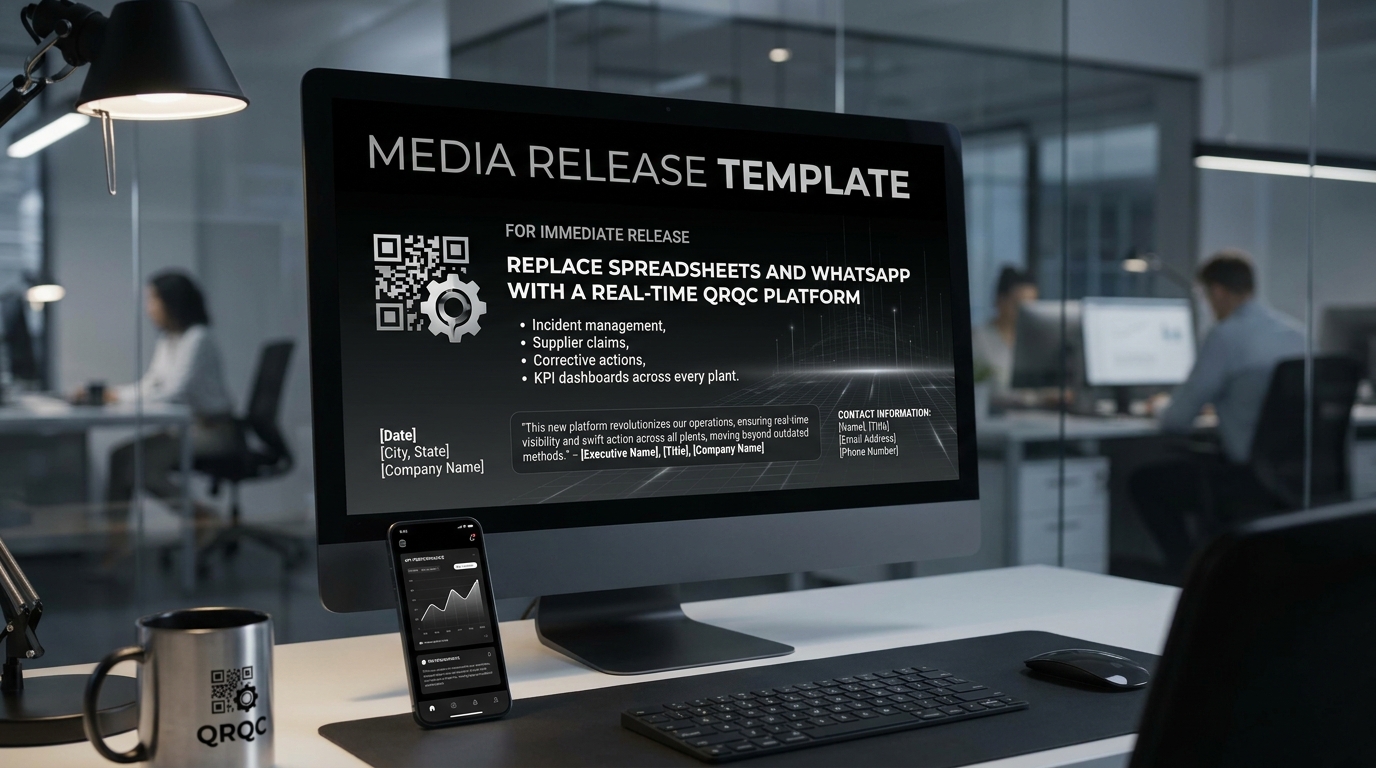
TL;DR: A media release template is a standardized document format used to announce newsworthy information to journalists and media outlets. It typically includes a headline, dateline, body paragraphs with key details, boilerplate company information, and contact details. This structured format ensures consistent, professional communication while saving time when distributing press announcements.
Frequently Asked Questions
What is a media release template?
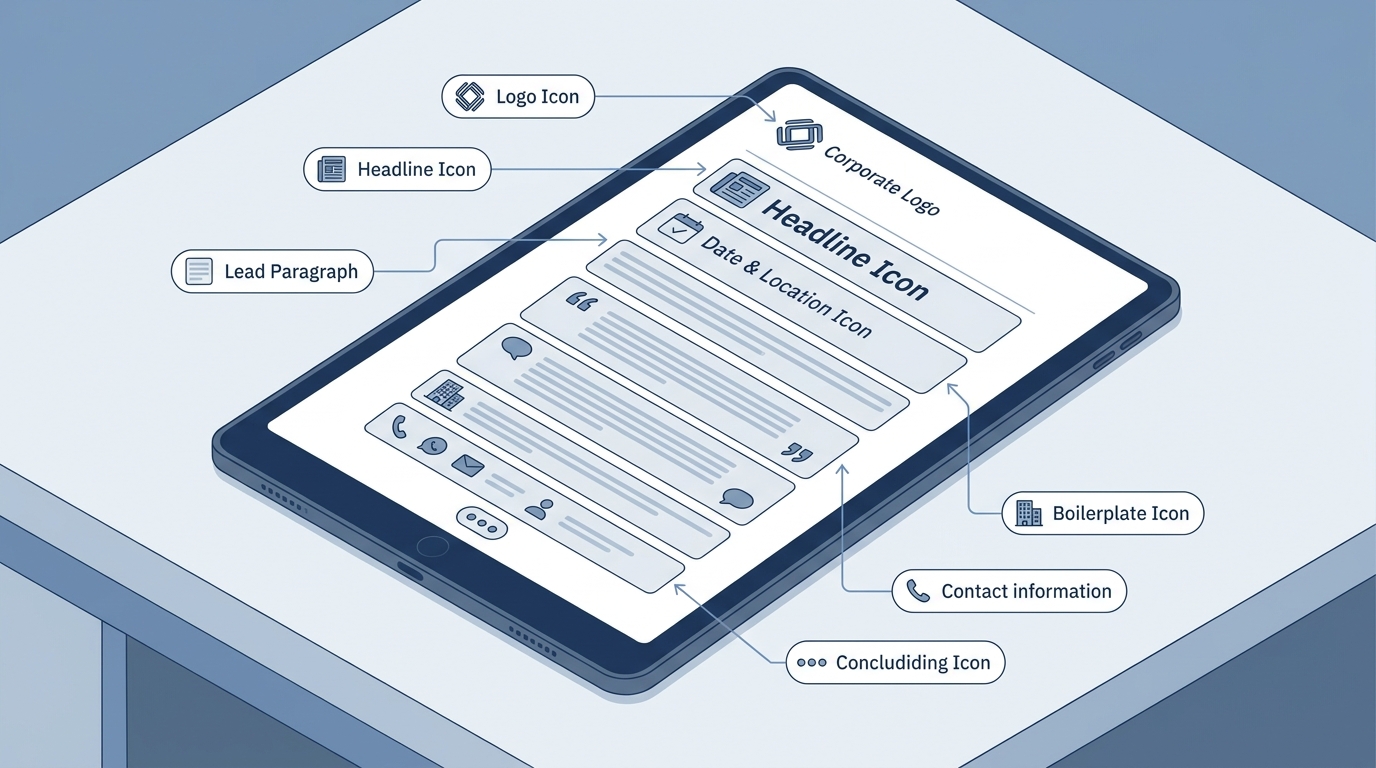
A media release template is a pre-formatted document structure used to announce newsworthy information to journalists and media outlets. It includes standardized sections like headline, dateline, body paragraphs, boilerplate, and contact information. Templates ensure consistent formatting, save time, and help organizations communicate professionally with the press while maintaining brand standards across all announcements.
What are the essential components of a media release template?
Essential components include a compelling headline, dateline with location and date, lead paragraph answering who-what-when-where-why, supporting body paragraphs with quotes and details, company boilerplate description, media contact information, and release timing indicator. Professional templates also feature company logo, proper formatting with double-spacing, and end with '###' or '-END-' to signal completion.
How does a media release template differ from a cover note template?
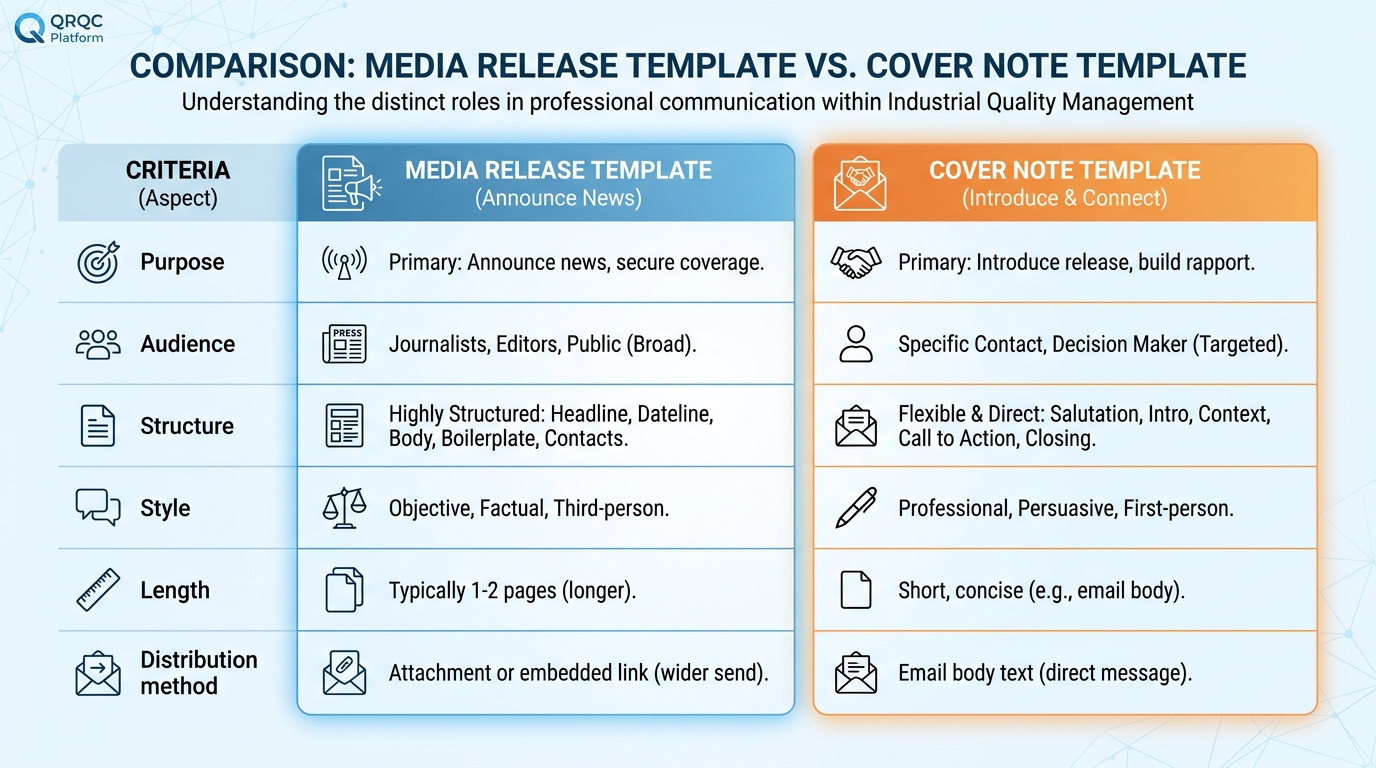
A media release template announces news to the public and media, while a cover note template accompanies documents sent to specific recipients. Media releases follow journalistic style with inverted pyramid structure and are distribution-ready. Cover notes are personalized, brief introductions explaining attached materials. Media releases aim for publication; cover notes facilitate internal or business-to-business communication.
What are key performance indicators KPIs for measuring media release effectiveness?
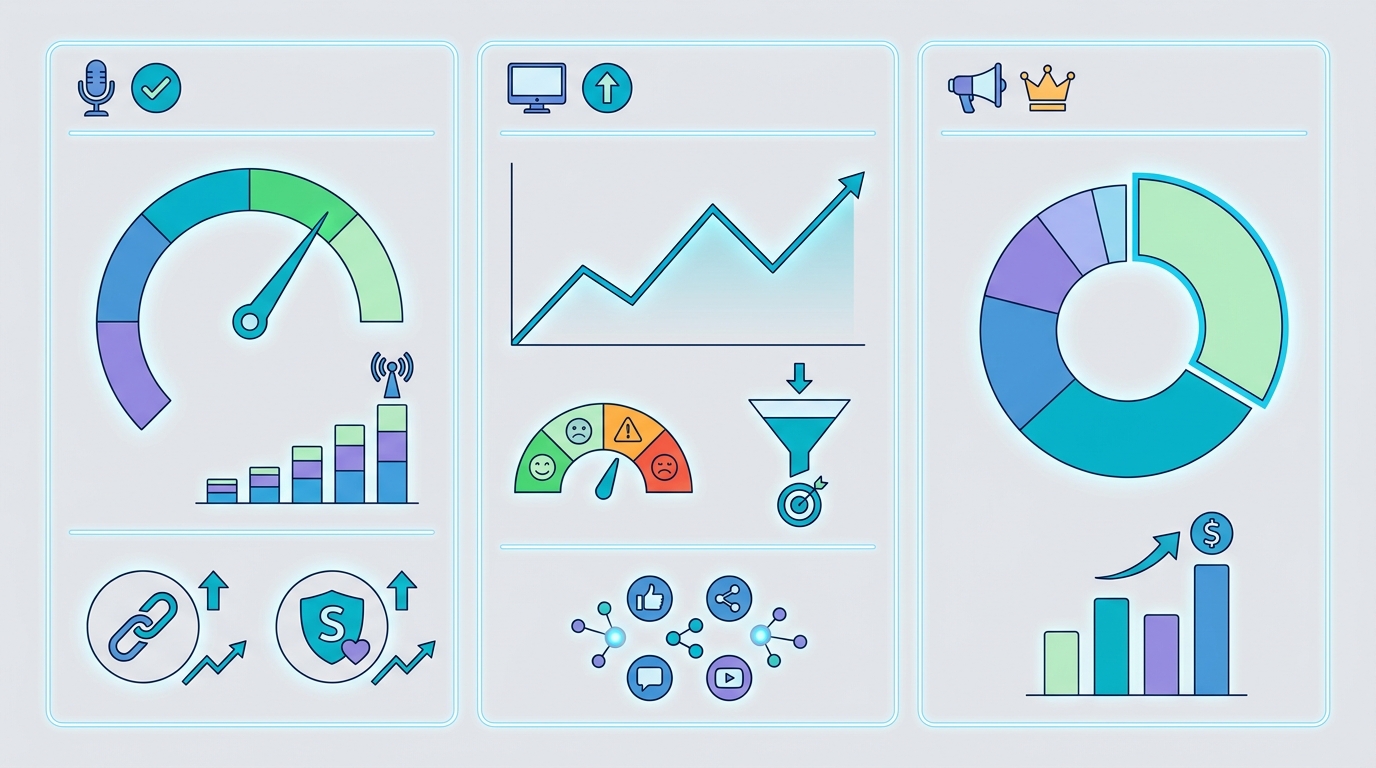
Key performance indicators for media releases include media pickup rate, reach and impressions, website traffic from release, social media engagement, backlinks generated, sentiment analysis, conversion rates, and share of voice. Advanced metrics track journalist open rates, download statistics, and message pull-through. These KPIs help organizations assess PR ROI and refine communication strategies.
How can a QMS quality management system improve media release processes?
A QMS quality management system standardizes media release workflows through approval hierarchies, version control, and compliance checks. It ensures brand consistency, reduces errors, and maintains audit trails for regulatory industries. QMS platforms enable real-time collaboration, automated distribution tracking, and performance dashboards, replacing fragmented spreadsheets and messaging apps with centralized, quality-controlled communication management.
What is the best format for a media release template in Word?
The optimal Word format uses single-column layout, Times New Roman or Arial 11-12pt font, 1-inch margins, and double-spacing for body text. Include company letterhead, clear section headings, bold headline, and italicized dateline. Save as .doc or .docx for compatibility. Templates should be 400-600 words, one to two pages maximum, with consistent styling that's easily editable and journalist-friendly.
How does integrated program management relate to media release coordination?
Integrated program management coordinates multiple media releases across departments, products, or locations through unified planning and execution. It aligns messaging with business objectives, prevents conflicting announcements, and optimizes timing. This approach uses centralized platforms to manage templates, approval workflows, distribution schedules, and KPI tracking, ensuring consistent brand communication while maintaining agility across complex organizational structures.
Can Canva invoice template design principles apply to media release templates?
Yes, Canva's visual design principles enhance media release templates through professional layouts, brand-consistent colors, and strategic use of white space. While traditional releases prioritize text, modern templates incorporate subtle design elements like logo placement, section dividers, and formatted quotes. Balance readability with visual appeal, ensuring templates remain journalist-friendly while reflecting brand identity and standing out in crowded inboxes.
Understanding Media Release Templates in Industrial Quality Management 📋
A media release template is an essential tool for organizations managing quality incidents, product recalls, or significant operational changes that require public communication. In the context of industrial quality control and manufacturing, having a structured approach to external communications ensures consistency, compliance, and brand protection during critical situations.
For quality managers overseeing multi-plant operations, the ability to quickly disseminate accurate information to stakeholders, media outlets, and regulatory bodies can make the difference between a controlled response and a reputational crisis. A well-designed media release template provides the framework for rapid, professional communication while maintaining operational transparency.
This comprehensive guide explores how media release templates integrate with modern quality management systems, their role in incident response protocols, and best practices for creating templates that support both operational excellence and corporate communications.
The Role of Media Release Templates in Quality Management Systems 🏭
Within a robust qms quality management system, media release templates serve as critical communication tools that bridge operational quality control with external stakeholder management. These templates ensure that when quality incidents occur, organizations can respond swiftly and professionally.
Integration with Incident Management Workflows
Modern quality management platforms integrate media release templates directly into incident response workflows. When a quality issue escalates to a level requiring external communication, the system can automatically populate a template with relevant incident data, timelines, and corrective actions.
- Automated data population: Incident numbers, dates, affected products, and facility information
- Approval workflows: Multi-level review processes ensuring accuracy before release
- Version control: Tracking changes and maintaining audit trails for compliance
- Distribution management: Coordinated release across multiple channels and stakeholders
Connecting Media Releases to Key Performance Indicators
Understanding what are key performance indicators kpis in the context of media releases helps organizations measure communication effectiveness. Quality managers track metrics such as time-to-release, stakeholder reach, and response accuracy as part of their overall incident management KPIs.
| KPI Category | Metric | Target Performance |
|---|---|---|
| Response Time | Hours from incident to release | < 24 hours |
| Accuracy | Corrections required post-release | < 5% |
| Stakeholder Coverage | Percentage of affected parties reached | > 95% |
| Compliance | Regulatory requirement adherence | 100% |
Essential Components of an Effective Media Release Template ✅
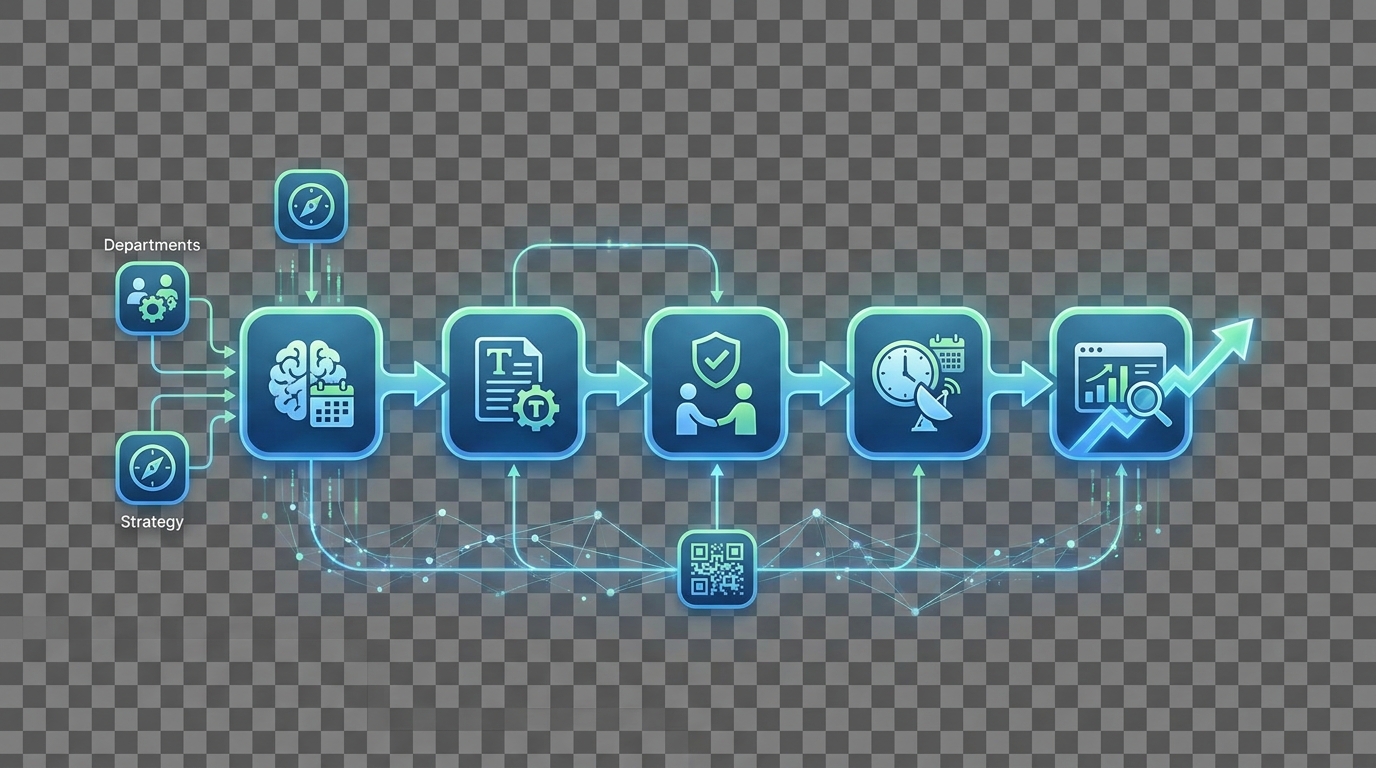
Creating a comprehensive media release template requires understanding both communication best practices and quality management requirements. The template must balance professional journalism standards with technical accuracy and regulatory compliance.
Header and Identification Section
The opening section establishes the document's purpose and urgency. This mirrors the structure of a cover note template, providing immediate context for recipients.
- Release designation: "FOR IMMEDIATE RELEASE" or embargo information
- Date and time stamp: Precise release timing for tracking and compliance
- Contact information: Media relations and technical contacts with multiple channels
- Reference numbers: Incident IDs, batch numbers, or case references
Headline and Lead Paragraph
The headline must convey the essential message in 10-15 words, while the lead paragraph answers the critical who, what, when, where, and why questions. For quality incidents, this section requires particular precision to avoid ambiguity.
Body Content Structure
The body follows an inverted pyramid structure, presenting the most critical information first. For quality-related releases, this typically includes:
- Incident description: Clear, factual account of what occurred
- Affected scope: Products, batches, facilities, or timeframes involved
- Safety information: Immediate risks and protective measures
- Corrective actions: Steps taken to address the issue
- Customer guidance: What stakeholders should do in response
- Company commitment: Broader quality assurance messaging
Boilerplate and Legal Disclaimers
The closing section includes standard company information and necessary legal language. This section should be pre-approved by legal counsel and remain consistent across all releases unless specific circumstances require modification.
Template Variations for Different Quality Scenarios 🔄
Just as organizations maintain different document templates like purchase order template in word or canva invoice template for various business functions, quality management requires multiple media release templates tailored to specific scenarios.
Product Recall Announcements
Product recall templates require specific regulatory language and must include detailed product identification information. These templates often integrate with supplier quality management systems to ensure accuracy in batch numbers and distribution channels.
Quality Improvement Announcements
Positive quality achievements, such as certifications earned or continuous improvement milestones, require templates that emphasize organizational excellence while maintaining credibility through specific metrics and third-party validation.
Supplier Quality Issues
When supplier quality problems affect production or product safety, templates must balance transparency with supplier relationships. These releases often coordinate with supplier communications to ensure consistent messaging.
| Template Type | Primary Use Case | Key Sections |
|---|---|---|
| Product Recall | Safety-related product withdrawals | Product IDs, safety risks, return procedures |
| Quality Alert | Non-critical quality deviations | Issue description, impact assessment, resolution timeline |
| Facility Incident | Plant-level quality events | Facility details, operational impact, containment measures |
| Achievement Announcement | Quality certifications and milestones | Achievement details, validation source, business impact |
Lean Six Sigma Principles Applied to Media Release Processes ⚙️
Applying lean and six sigma methodologies to media release processes reduces waste, improves accuracy, and accelerates response times. Quality managers can apply continuous improvement principles to communication workflows just as they do to production processes.
Eliminating Waste in Communication Workflows
Traditional media release processes often involve excessive handoffs, redundant approvals, and manual data entry. Lean principles help identify and eliminate these non-value-added activities.
- Standardization: Pre-approved templates reduce review cycles
- Automation: System integration eliminates manual data transfer
- Clear ownership: Defined roles prevent approval bottlenecks
- Visual management: Dashboard tracking of release status and performance
Six Sigma Quality in Communications
Applying Six Sigma's DMAIC (Define, Measure, Analyze, Improve, Control) methodology to media release processes ensures consistent quality and continuous improvement.
- Define: Establish clear requirements for different release types
- Measure: Track accuracy, timeliness, and stakeholder satisfaction metrics
- Analyze: Identify root causes of delays or errors in release processes
- Improve: Implement template enhancements and workflow optimizations
- Control: Monitor ongoing performance and maintain standards
Reducing Defects Through Template Standardization
Just as manufacturers use templates like pumpkin carving templates print or bubble letter template printable to ensure consistent results, standardized media release templates reduce variation and errors in critical communications.
Integrated Program Management for Multi-Plant Communications 🌐
For organizations with multiple manufacturing facilities, integrated program management ensures consistent communication across all locations while respecting regional differences and regulatory requirements.
Centralized Template Management
A centralized approach to template management provides consistency while allowing necessary customization for different facilities, regions, or product lines. Modern quality management platforms enable this balance through configurable template libraries.
- Master templates: Corporate-approved base templates with locked sections
- Regional variations: Customizable fields for local requirements
- Language versions: Translated templates maintaining core messaging
- Compliance overlays: Jurisdiction-specific legal language and requirements
Cross-Facility Coordination
When quality issues affect multiple plants, coordinated communications prevent conflicting messages and ensure stakeholders receive accurate, comprehensive information. This coordination mirrors the structure of a well-organized to do list template, ensuring all necessary communication tasks are completed in proper sequence.
Real-Time Collaboration Features
Modern platforms replace outdated communication methods like email chains or messaging apps with purpose-built collaboration tools. Quality control software enables real-time template editing, approval workflows, and version control across geographically dispersed teams.
Digital Tools and Platforms for Template Management 💻
Moving beyond static document templates to dynamic, integrated systems transforms how organizations manage quality communications. Modern platforms provide capabilities that traditional document management cannot match.
Template Libraries and Version Control
Digital platforms maintain comprehensive libraries of approved templates with full version history. This ensures teams always access the most current, compliant versions while maintaining audit trails for regulatory purposes.
Workflow Automation and Approval Routing
Automated workflows route draft releases through appropriate approval chains based on incident severity, affected products, or regulatory requirements. This eliminates manual coordination and reduces time-to-release.
| Aspect | Traditional Approach | Digital Platform |
|---|---|---|
| Template Access | Shared drives, email attachments | Centralized, searchable library |
| Version Control | Manual file naming, confusion | Automatic versioning, audit trails |
| Approval Process | Email chains, delays | Automated routing, notifications |
| Data Integration | Manual copy-paste, errors | Automatic population from QMS |
| Analytics | Manual tracking, limited insights | Real-time dashboards, KPI tracking |
Integration with Quality Management Systems
The most powerful implementations integrate media release templates directly with the broader QMS, enabling seamless data flow from incident detection through communication and resolution tracking. This integration ensures accuracy while reducing manual effort.
Best Practices for Template Development and Maintenance 📝
Creating effective media release templates requires ongoing attention and refinement. Organizations should treat template management as a continuous improvement process rather than a one-time project.
Stakeholder Input and Review
Effective templates result from collaboration between quality management, legal counsel, communications professionals, and operational leadership. Regular review sessions ensure templates remain current with regulatory requirements and communication best practices.
Testing and Simulation Exercises
Regular drills using templates in simulated scenarios identify gaps, confusing language, or missing information before real incidents occur. These exercises should involve all roles in the approval and release process.
- Quarterly scenario testing: Practice with realistic incident scenarios
- Cross-functional participation: Include all stakeholder groups
- Timing assessments: Measure actual time-to-release performance
- Feedback collection: Gather improvement suggestions from participants
Regulatory Compliance Updates
Regulatory requirements for product recalls, safety communications, and public notifications evolve regularly. Establish a process for monitoring regulatory changes and updating templates accordingly.
Performance Metrics and Continuous Improvement
Track template effectiveness through metrics such as release accuracy, time-to-publish, stakeholder feedback, and regulatory compliance. Use these insights to drive continuous template improvements.
Training and Organizational Readiness 🎓
Even the best templates fail without proper training and organizational readiness. Quality managers must ensure teams understand when and how to use media release templates effectively.
Role-Based Training Programs
Different roles require different levels of template knowledge. Quality managers need comprehensive understanding, while plant operators may only need awareness of escalation triggers.
- Executive leadership: Strategic communication principles and approval authority
- Quality managers: Comprehensive template usage and incident assessment
- Communications staff: Template customization and media relations
- Legal counsel: Compliance requirements and risk management
- Operations staff: Incident recognition and escalation procedures
Documentation and Quick Reference Guides
Supplement templates with clear guidance documents that explain usage scenarios, approval requirements, and common pitfalls. These guides should be easily accessible during incident response.
Crisis Communication Protocols
Media release templates form part of broader crisis communication protocols. Ensure teams understand how templates fit within overall incident response procedures and when external communications become necessary.
Common Pitfalls and How to Avoid Them ⚠️
Organizations frequently encounter challenges when implementing and using media release templates. Understanding these common pitfalls helps prevent communication failures during critical incidents.
Over-Complexity and Template Bloat
Templates that try to address every possible scenario become unwieldy and difficult to use under pressure. Maintain focused templates for specific situations rather than attempting to create universal solutions.
Insufficient Technical Detail
Quality-related media releases require technical accuracy. Templates must prompt users to include sufficient detail for stakeholders to understand issues and take appropriate action without overwhelming non-technical audiences.
Approval Bottlenecks
Excessive approval requirements delay critical communications. Establish clear escalation criteria and pre-approve template language where possible to accelerate release processes.
- Pre-approved language: Standard phrases for common situations
- Tiered approval: Different requirements based on incident severity
- Deputy approvers: Backup contacts to prevent single-point delays
- Time limits: Maximum approval windows with automatic escalation
Neglecting Post-Release Follow-Up
Initial releases often require updates as situations evolve. Templates should include provisions for follow-up communications and status updates to maintain stakeholder confidence.
Real-World Implementation: Moving from Spreadsheets to Integrated Systems 🚀
Many organizations still manage quality communications through disconnected tools—spreadsheets for tracking, email for approvals, and word processors for document creation. This fragmented approach creates risks and inefficiencies.
The Limitations of Traditional Methods
Managing media releases through spreadsheets and messaging apps introduces multiple failure points. Version confusion, lost communications, and manual data entry errors compromise both speed and accuracy during critical incidents.
Transitioning to Integrated Platforms
Modern quality management platforms integrate media release templates with incident management, corrective actions, and KPI tracking. This integration provides unprecedented visibility and control over quality communications.
Organizations using real-time QRQC platforms report significant improvements in response times, communication accuracy, and stakeholder satisfaction. The platform approach eliminates disconnected tools and provides a single source of truth for quality incidents and communications.
Change Management Considerations
Successfully transitioning from traditional methods to integrated platforms requires careful change management. Focus on demonstrating value through pilot programs, providing comprehensive training, and celebrating early wins.
The Future of Quality Communications and Media Release Management 🔮
Emerging technologies and evolving stakeholder expectations are transforming how organizations manage quality communications. Forward-thinking quality managers are already preparing for these changes.
AI-Assisted Template Generation
Artificial intelligence is beginning to assist with draft generation, pulling relevant data from quality management systems and suggesting appropriate template language based on incident characteristics. These tools accelerate initial draft creation while maintaining human oversight for accuracy and tone.
Multi-Channel Distribution Integration
Modern communications extend beyond traditional media releases to include social media, customer portals, and direct notifications. Integrated platforms enable simultaneous, consistent messaging across all channels from a single template.
Predictive Analytics for Communication Needs
Advanced analytics can identify quality trends that may require proactive communication before incidents escalate. This predictive approach transforms reactive media releases into proactive stakeholder engagement.
- Trend analysis: Identifying patterns that warrant communication
- Stakeholder monitoring: Tracking concerns and questions across channels
- Impact prediction: Assessing potential communication needs for emerging issues
- Automated alerts: Notifying teams when communication thresholds are reached
Conclusion: Elevating Quality Communications Through Better Templates 🎯
Media release templates represent far more than communication tools—they are critical components of comprehensive quality management systems. For manufacturing quality managers overseeing multi-plant operations, effective templates enable rapid, accurate, and compliant communications during critical incidents.
The most successful organizations treat media release template management as an ongoing strategic priority, integrating templates with broader quality management systems, training teams thoroughly, and continuously improving based on performance data and stakeholder feedback.
By applying lean and six sigma principles to communication processes, organizations reduce waste, improve accuracy, and accelerate response times. Integration with digital platforms eliminates the limitations of spreadsheets and disconnected tools, providing real-time visibility and control.
Whether you're managing supplier quality issues, coordinating communications across multiple facilities, or responding to product quality incidents, well-designed media release templates supported by integrated technology platforms provide the foundation for excellence in quality communications.
Ready to transform your quality management communications? Replace spreadsheets and disconnected tools with a comprehensive platform that integrates media release templates with incident management, supplier claims, corrective actions, and KPI dashboards across every plant. Visit our website to discover how real-time QRQC software can elevate your quality communications and operational excellence. 💼✨
Article created using IntentRank