Premium Label Supply Template: Complete Quality Control Guid
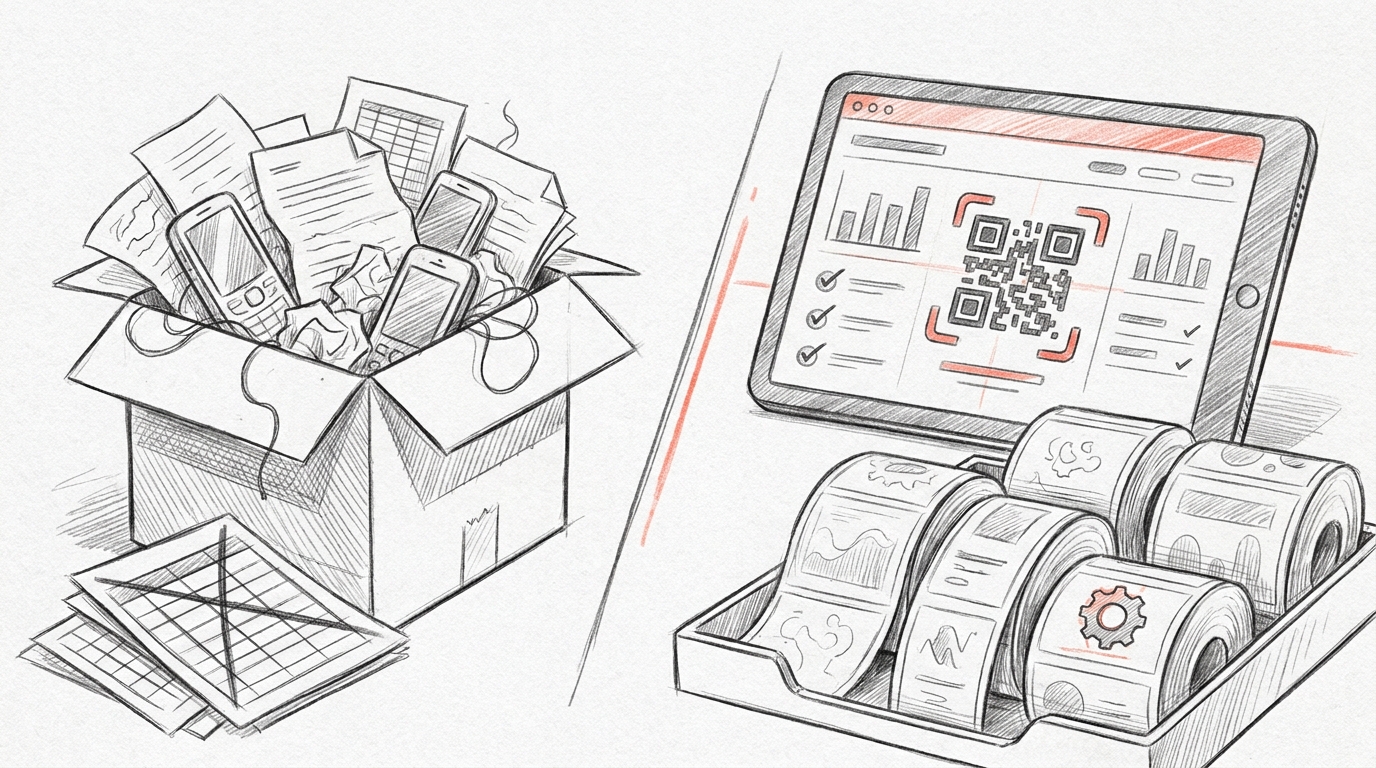
TL;DR: A premium label supply template is a structured document used to standardize supplier quality management processes, tracking defects, corrective actions, and compliance metrics. Modern organizations replace static templates and spreadsheets with real-time QRQC platforms that centralize incident management, supplier claims, and KPI dashboards across multiple manufacturing plants for improved visibility and faster resolution.
Frequently Asked Questions

What is a premium label supply template?
A premium label supply template is a standardized document format used in quality management systems to track and manage product labeling information across the supply chain. It typically includes fields for product specifications, compliance data, batch numbers, and supplier details. These templates help manufacturers maintain consistent labeling standards while ensuring regulatory compliance and traceability throughout production processes.
How do premium label supply templates integrate with QMS quality management systems?
Premium label supply templates integrate with QMS quality management systems by providing standardized data entry points that feed directly into quality tracking databases. They enable real-time documentation of labeling processes, automated compliance checks, and incident management workflows. This integration replaces manual spreadsheets with centralized platforms that support corrective actions, supplier claims management, and KPI dashboards for comprehensive quality oversight.
What key performance indicators (KPIs) should be tracked with label supply templates?
Essential KPIs for label supply templates include labeling accuracy rate, time-to-label completion, non-conformance frequency, supplier compliance percentage, and label revision turnaround time. Additional metrics include defect detection rates, corrective action closure time, and cost per label error. These KPIs help organizations monitor quality performance, identify process bottlenecks, and drive continuous improvement through lean and Six Sigma methodologies.
How can premium label supply templates improve incident management?
Premium label supply templates improve incident management by standardizing how labeling errors and non-conformances are documented and tracked. They enable quick identification of root causes, facilitate QRQC (Quick Response Quality Control) processes, and create audit trails for regulatory compliance. Templates integrated with real-time platforms allow immediate notification of stakeholders, faster corrective action implementation, and prevention of recurring labeling issues across multiple plants.
What are the benefits of using digital label supply templates over spreadsheets?
Digital label supply templates offer real-time collaboration, automated workflows, and centralized data management compared to spreadsheets. They eliminate version control issues, reduce manual data entry errors, and provide instant visibility across multiple facilities. Digital platforms enable integrated program management with features like automated notifications, KPI dashboards, supplier claim tracking, and corrective action management that spreadsheets and communication tools like WhatsApp cannot provide.
How do label supply templates support lean and Six Sigma initiatives?
Label supply templates support lean and Six Sigma initiatives by standardizing processes, reducing waste, and enabling data-driven decision making. They eliminate non-value-added activities like duplicate data entry and manual tracking. Templates provide consistent measurement points for statistical analysis, help identify variation sources, and support DMAIC methodology implementation. This standardization drives process efficiency, reduces defects, and improves overall quality performance metrics.
What information should be included in a comprehensive label supply template?
A comprehensive label supply template should include product identification details, regulatory compliance information, supplier data, batch/lot numbers, revision history, approval workflows, and quality specifications. Additional fields may cover material safety data, storage requirements, expiration dates, barcode information, and multilingual text requirements. The template should also incorporate sections for non-conformance reporting, corrective actions, and links to related quality documentation for complete traceability.
How do premium label supply templates facilitate supplier claims management?
Premium label supply templates facilitate supplier claims management by providing structured documentation of labeling defects, specification deviations, and quality issues. They create standardized claim submission processes with required evidence fields, enable tracking of claim status and resolution timelines, and maintain historical records for supplier performance evaluation. Integrated templates allow automatic notification to suppliers, collaborative corrective action planning, and measurement of supplier response effectiveness through KPI tracking.
Understanding Premium Label Supply Templates in Modern Manufacturing

In today's fast-paced manufacturing environment, a premium label supply template serves as a critical tool for maintaining quality standards, streamlining operations, and ensuring compliance across production lines. Whether you're managing supplier relationships, tracking inventory, or implementing quality control measures, having a standardized template system can dramatically improve efficiency and reduce errors throughout your supply chain.
Premium label supply templates go beyond simple documentation—they represent a comprehensive approach to organizing product information, regulatory compliance data, and quality specifications. These templates integrate seamlessly with quality management systems and support lean manufacturing principles by eliminating waste and standardizing processes.
Manufacturing facilities worldwide are moving away from fragmented documentation systems toward integrated solutions that combine templates with real-time tracking capabilities. This shift enables better visibility, faster response times, and improved collaboration between quality teams, suppliers, and operations personnel.
Essential Components of a Premium Label Supply Template

A well-designed premium label supply template must include several critical elements to effectively support manufacturing operations and quality control processes. Understanding these components helps organizations create templates that truly serve their operational needs.
Core Information Fields
Every premium label template should capture fundamental product and supplier information systematically. These fields form the foundation of your labeling and tracking system:
- Product identification: SKU numbers, internal codes, and supplier part numbers
- Supplier details: Company name, contact information, and certification status
- Compliance data: Regulatory requirements, safety information, and industry standards
- Quality specifications: Acceptance criteria, tolerance levels, and inspection requirements
- Traceability information: Batch numbers, lot codes, and manufacturing dates
Integration with QMS Quality Management System
Modern label supply templates must integrate seamlessly with your qms quality management system to maintain data integrity and enable real-time updates. This integration ensures that label information remains synchronized with quality records, inspection results, and corrective action documentation.
When templates connect directly to your QMS, changes to specifications automatically propagate throughout the system. This eliminates manual data entry errors and ensures everyone works with the most current information.
Organizations implementing QRQC — Industrial Quality Control Software benefit from automated template management that links label data with incident tracking and supplier performance metrics.
Customization for Different Product Categories
Premium templates offer flexibility to accommodate various product types while maintaining consistency. Different categories may require specialized fields:
| Product Category | Required Fields | Special Considerations |
|---|---|---|
| Raw Materials | Chemical composition, purity levels, storage requirements | MSDS documentation, hazard classifications |
| Components | Dimensional specifications, material grades, finish requirements | Compatibility testing, supplier certifications |
| Finished Goods | Final inspection results, packaging specifications, shipping requirements | Customer-specific labeling, regulatory compliance |
| Packaging Materials | Material type, dimensions, barrier properties | Food contact compliance, sustainability certifications |
Implementing Lean and Six Sigma Principles in Label Templates
The connection between lean and six sigma methodologies and effective label supply templates is fundamental to operational excellence. These proven approaches help eliminate waste, reduce variation, and improve quality throughout the supply chain.
Reducing Waste Through Standardization
Lean principles emphasize eliminating non-value-added activities. Premium label templates support this goal by standardizing information capture and reducing time spent searching for data or correcting errors. When every team member uses the same template format, communication improves and processing time decreases significantly.
Standardized templates also eliminate the waste of overprocessing—collecting unnecessary information or duplicating data entry across multiple systems. By carefully designing templates to capture only essential information, organizations streamline workflows and reduce administrative burden.
Six Sigma Quality Control Integration
Six Sigma focuses on reducing defects and variation in processes. Label supply templates contribute to this objective by ensuring consistent data collection and enabling statistical analysis of quality metrics. When templates capture information in standardized formats, quality teams can more easily identify trends, analyze root causes, and implement preventive measures.
Organizations can track defect rates, supplier performance, and process capability indices directly from template data. This analytical capability transforms templates from simple documentation tools into strategic quality improvement instruments.
For comprehensive quality management that integrates lean and six sigma principles with digital tools, explore Lean Operations Tools: Digital QRQC Platform for Manufacturing to understand how modern platforms support continuous improvement initiatives.
Key Performance Indicators KPIs for Label Supply Management
Understanding what are key performance indicators kpis in the context of label supply management enables organizations to measure effectiveness and drive continuous improvement. Premium templates should facilitate KPI tracking and reporting.
Critical KPIs to Monitor
Effective label supply management requires tracking multiple performance dimensions. These KPIs provide visibility into both operational efficiency and quality outcomes:
- Label accuracy rate: Percentage of labels with correct information on first submission
- Template completion time: Average time required to complete label documentation
- Supplier compliance rate: Percentage of suppliers meeting labeling requirements
- Rework frequency: Number of labels requiring correction or reissue
- Audit findings: Number of labeling-related issues identified during audits
- System adoption rate: Percentage of team members consistently using standardized templates
Dashboard Integration and Real-Time Tracking
Modern premium label supply templates connect to KPI dashboards that provide real-time visibility into performance metrics. This integration enables proactive management rather than reactive problem-solving.
Quality managers can monitor trends across multiple facilities, identify outliers requiring attention, and benchmark performance between plants or suppliers. Dashboard visualization transforms raw template data into actionable intelligence.
| KPI Metric | Target Value | Measurement Frequency | Action Threshold |
|---|---|---|---|
| Label Accuracy Rate | ≥99.5% | Weekly | Investigation if <98% |
| Template Completion Time | ≤15 minutes | Monthly average | Process review if >20 minutes |
| Supplier Compliance Rate | ≥95% | Monthly | Supplier review if <90% |
| Rework Frequency | ≤2% | Weekly | Root cause analysis if >5% |
Integrated Program Management Across Multiple Facilities
For organizations operating multiple manufacturing sites, integrated program management becomes essential for maintaining consistency in label supply processes. Premium templates serve as the foundation for standardization across diverse locations and product lines.
Multi-Plant Standardization Strategies
Achieving consistency across facilities requires more than simply distributing the same template. Organizations must implement governance structures, training programs, and feedback mechanisms to ensure templates are used effectively everywhere.
Successful multi-plant programs establish clear ownership for template management, regular review cycles to incorporate improvements, and mechanisms for sharing best practices between sites. This coordinated approach prevents template proliferation and maintains system integrity.
Centralized vs. Distributed Template Management
Organizations must decide whether to manage templates centrally or allow facility-level customization. Each approach offers distinct advantages:
- Centralized management: Ensures maximum consistency, simplifies updates, and reduces duplication of effort
- Distributed management: Allows for facility-specific requirements, faster local adaptation, and greater user ownership
- Hybrid approach: Maintains core template standards centrally while permitting approved local variations
Most successful programs adopt a hybrid model with centrally controlled core fields and facility-approved optional fields. This balances standardization benefits with operational flexibility.
Complementary Template Systems for Manufacturing Operations
Premium label supply templates work most effectively when integrated with other documentation systems used throughout manufacturing operations. Understanding these complementary templates helps create a cohesive documentation ecosystem.
Cover Note Template Integration
A well-designed cover note template accompanies shipments and transfers, providing summary information that references detailed label data. Cover notes should link to label templates through common identifiers like batch numbers or shipment IDs, enabling seamless traceability.
When cover notes and labels share consistent formatting and terminology, receiving personnel can quickly verify shipments and identify discrepancies. This integration reduces inspection time and improves accuracy in goods receipt processes.
Purchase Order Template in Word Coordination
The purchase order template in word format remains common in many organizations despite digital transformation efforts. Premium label templates should align with purchase order information to ensure consistency between what was ordered and what is labeled upon receipt.
Key alignment points include:
- Part numbers and descriptions matching exactly between PO and label
- Quantity specifications using consistent units of measure
- Quality requirements referenced identically in both documents
- Delivery instructions and special handling noted consistently
Supporting Operational Templates
Several other template types complement label supply systems in manufacturing environments:
| Template Type | Primary Purpose | Integration with Label Templates |
|---|---|---|
| Canva Invoice Template | Financial documentation and payment processing | Links invoice line items to labeled products/batches |
| To Do List Template | Task management and workflow coordination | Tracks label creation, review, and approval tasks |
| Inspection Checklist | Quality verification procedures | References label information for verification |
| Corrective Action Form | Problem resolution documentation | Captures label-related issues and resolutions |
While templates like pumpkin carving templates print or bubble letter template printable serve creative and educational purposes, manufacturing operations require templates specifically designed for industrial quality control and supply chain management.
Digital Transformation: Moving Beyond Static Templates
While traditional templates in Word or Excel formats served manufacturing for decades, digital transformation is revolutionizing how organizations manage label supply information. Modern platforms offer capabilities that static templates simply cannot match.
Limitations of Traditional Template Approaches
Static templates, whether canva invoice template designs or spreadsheet-based systems, present several challenges in fast-paced manufacturing environments:
- Version control issues leading to outdated information being used
- No real-time visibility into template completion status
- Difficult to enforce data validation and quality checks
- Limited ability to analyze data across multiple templates
- Manual distribution and collection processes creating delays
- No automatic linkage to related quality or production data
Advantages of Digital QRQC Platforms
Modern quality control platforms transform template management from a documentation burden into a strategic advantage. Digital systems provide:
- Real-time collaboration: Multiple team members can work simultaneously with automatic synchronization
- Automated workflows: Templates route automatically for review and approval based on business rules
- Built-in validation: System enforces required fields and data format requirements
- Integration capabilities: Connects with ERP, MES, and other enterprise systems
- Mobile accessibility: Users can complete templates from shop floor or remote locations
- Analytics and reporting: Automatic aggregation of data for trend analysis and KPI tracking
Organizations transitioning from spreadsheets and messaging apps to integrated platforms report significant improvements in efficiency and data quality. Learn more about this transformation at QRQC — Industrial Quality Control Software.
Implementation Considerations
Successfully transitioning from traditional templates to digital systems requires careful planning and change management. Key success factors include:
- Pilot program approach: Start with one facility or product line to refine processes before full deployment
- User training: Invest in comprehensive training to ensure adoption and proper system use
- Data migration: Plan carefully for transferring historical template data to new systems
- Integration testing: Verify connections with existing enterprise systems work reliably
- Feedback loops: Establish mechanisms for users to report issues and suggest improvements
Best Practices for Premium Label Supply Template Design
Creating effective premium label supply templates requires attention to both form and function. Well-designed templates balance comprehensiveness with usability, capturing necessary information without overwhelming users.
User-Centered Design Principles
Templates should be designed with the end user's workflow in mind. Consider who will complete the template, in what environment, and with what information readily available:
- Group related fields together logically to match natural workflow progression
- Use clear, unambiguous field labels that don't require interpretation
- Provide dropdown menus or selection lists where appropriate to reduce errors
- Include help text or examples for complex fields
- Design for mobile use if templates will be completed on shop floors
- Minimize required fields to only truly essential information
Data Quality and Validation
Premium templates incorporate built-in quality controls to ensure data integrity:
| Validation Type | Purpose | Implementation Example |
|---|---|---|
| Format validation | Ensure data matches expected pattern | Part numbers follow XXX-YYYY-ZZ format |
| Range validation | Verify values fall within acceptable limits | Quantity must be between 1 and 10,000 |
| Required field checks | Prevent submission with missing critical data | Supplier name and date must be completed |
| Cross-field validation | Ensure logical consistency between fields | Expiration date must be after manufacture date |
| Lookup validation | Verify against master data lists | Supplier code must exist in approved vendor list |
Version Control and Change Management
As requirements evolve, templates must be updated while maintaining historical integrity. Effective version control practices include:
- Clear version numbering systems (e.g., v2.3 indicates major version 2, minor revision 3)
- Change logs documenting what was modified and why
- Sunset periods allowing transition from old to new versions
- Archive systems preserving historical template versions for reference
- Notification processes informing users of template updates
Supplier Collaboration Through Standardized Templates
Premium label supply templates facilitate better collaboration with external suppliers by establishing clear expectations and standardizing information exchange. This standardization reduces misunderstandings and accelerates onboarding of new suppliers.
Supplier Portal Integration
Leading organizations provide suppliers with direct access to template systems through secure portals. This approach enables:
- Suppliers to submit label information directly into your system
- Automatic validation of supplier-provided data against your requirements
- Real-time visibility into submission status and any required corrections
- Reduction in email exchanges and manual data transfer
- Faster processing of new products and specification changes
Quality Requirements Communication
Templates serve as vehicles for communicating quality expectations to suppliers. By requiring specific information in standardized formats, you ensure suppliers understand your requirements and can demonstrate compliance.
This is particularly important for organizations managing supplier claims and corrective actions. When issues arise, having complete, standardized label information accelerates root cause investigation and resolution.
Regulatory Compliance and Audit Readiness
Premium label supply templates play a critical role in maintaining regulatory compliance and ensuring audit readiness. Well-designed templates capture required information systematically and create audit trails that demonstrate compliance.
Industry-Specific Requirements
Different industries face varying regulatory requirements for labeling and documentation:
- Food and beverage: FDA regulations, allergen declarations, nutritional information
- Pharmaceuticals: GMP requirements, serialization, chain of custody documentation
- Automotive: IATF 16949 standards, PPAP documentation, traceability requirements
- Aerospace: AS9100 compliance, material certifications, configuration management
- Medical devices: ISO 13485 requirements, UDI compliance, sterilization information
Premium templates incorporate industry-specific fields and validation rules to ensure compliance with applicable regulations.
Audit Trail Capabilities
During audits, organizations must demonstrate that processes are followed consistently and that records are complete and accurate. Template systems should automatically capture:
- Who created or modified each template instance
- When changes were made
- What specific fields were changed
- Approval history and electronic signatures
- System-generated timestamps for all activities
This comprehensive audit trail eliminates the need for manual record-keeping and provides auditors with clear evidence of process compliance.
Measuring ROI from Premium Template Implementation
Investing in premium label supply templates and supporting systems delivers measurable returns across multiple dimensions. Understanding these benefits helps justify investments and guide continuous improvement efforts.
Quantifiable Benefits
Organizations implementing standardized template systems typically realize:
| Benefit Category | Typical Improvement | Measurement Method |
|---|---|---|
| Time savings | 30-50% reduction in documentation time | Before/after time studies |
| Error reduction | 60-80% fewer labeling errors | Defect tracking systems |
| Audit preparation | 75% less time preparing for audits | Audit preparation hour tracking |
| Supplier onboarding | 40% faster new supplier qualification | Time-to-first-shipment metrics |
| Rework costs | 50-70% reduction in label rework | Cost accounting systems |
Strategic Advantages
Beyond quantifiable metrics, premium templates deliver strategic benefits including:
- Enhanced brand reputation through consistent quality
- Improved supplier relationships through clear communication
- Better decision-making enabled by comprehensive data
- Increased organizational agility for responding to changes
- Stronger competitive position through operational excellence
Future Trends in Label Supply Management
The evolution of label supply management continues as new technologies and methodologies emerge. Organizations should prepare for these developing trends to maintain competitive advantage.
Artificial Intelligence and Automation
AI technologies are beginning to transform template management through:
- Automatic data extraction from supplier documents using OCR and natural language processing
- Predictive analytics identifying potential labeling issues before they occur
- Intelligent routing of templates based on content and priority
- Automated compliance checking against regulatory databases
- Smart suggestions for template completion based on historical patterns
Blockchain for Supply Chain Transparency
Blockchain technology offers potential for creating immutable records of label information throughout the supply chain. This could enable:
- Guaranteed authenticity of supplier-provided information
- Complete traceability from raw material to finished product
- Automated verification of certifications and compliance claims
- Secure sharing of sensitive information with authorized parties only
IoT Integration
Internet of Things devices increasingly connect with template systems to provide real-time data:
- Sensors automatically populating environmental conditions on labels
- RFID tags linking physical products to digital template records
- Automated alerts when labeled materials approach expiration
- Real-time location tracking integrated with label information
Taking Action: Implementing Premium Label Supply Templates
Successfully implementing premium label supply templates requires a structured approach that addresses both technical and organizational change management aspects. Organizations should follow a phased implementation roadmap.
Assessment and Planning Phase
Begin by thoroughly assessing your current state and defining clear objectives:
- Document existing label processes and identify pain points
- Survey users to understand needs and challenges
- Review regulatory requirements and compliance gaps
- Define success metrics and target improvements
- Secure executive sponsorship and resource commitments
Design and Development Phase
Create templates that address identified needs while following best practices:
- Involve end users in template design through workshops and reviews
- Build validation rules and quality controls into templates
- Develop supporting documentation and training materials
- Create integration points with existing systems
- Establish governance processes for ongoing template management
Pilot and Refinement Phase
Test templates in controlled environments before full deployment:
- Select pilot sites or product lines for initial implementation
- Provide intensive support during pilot period
- Collect feedback systematically and make necessary adjustments
- Measure results against defined success metrics
- Document lessons learned and best practices
Full Deployment and Optimization
Roll out refined templates across the organization while continuing to improve:
- Execute phased deployment plan across all facilities
- Monitor adoption rates and address resistance
- Establish continuous improvement processes
- Regularly review KPIs and adjust as needed
- Share success stories to maintain momentum
Transform Your Quality Management with Integrated Solutions
Premium label supply templates represent just one component of comprehensive quality management in modern manufacturing. The most significant benefits emerge when templates integrate with broader systems for incident management, supplier claims, corrective actions, and KPI tracking.
Organizations struggling with fragmented spreadsheets, WhatsApp communications, and disconnected documentation systems face constant challenges maintaining visibility and control. These legacy approaches create information silos, delay response times, and make it difficult to identify trends or measure improvement.
The future of manufacturing quality management lies in integrated platforms that connect all aspects of quality control—from initial supplier labeling through production monitoring to final product release. These systems provide real-time visibility across multiple plants, enable faster incident response, and support data-driven decision making.
If your organization manages quality across multiple facilities and needs better visibility into supplier issues, incident tracking, and corrective actions, it's time to explore modern alternatives to spreadsheets and messaging apps. Visit our website to discover how an integrated QRQC platform can transform your quality management operations with real-time incident management, supplier claim tracking, corrective action workflows, and comprehensive KPI dashboards that provide visibility across every plant in your network.
Don't let outdated documentation systems hold back your quality improvement initiatives. Modern manufacturing demands modern tools that enable collaboration, ensure compliance, and drive continuous improvement. Explore how digital transformation of your quality processes can deliver measurable results in efficiency, accuracy, and operational excellence.
Article created using IntentRank