Table Tent Template: Free Designs & Customization Guide
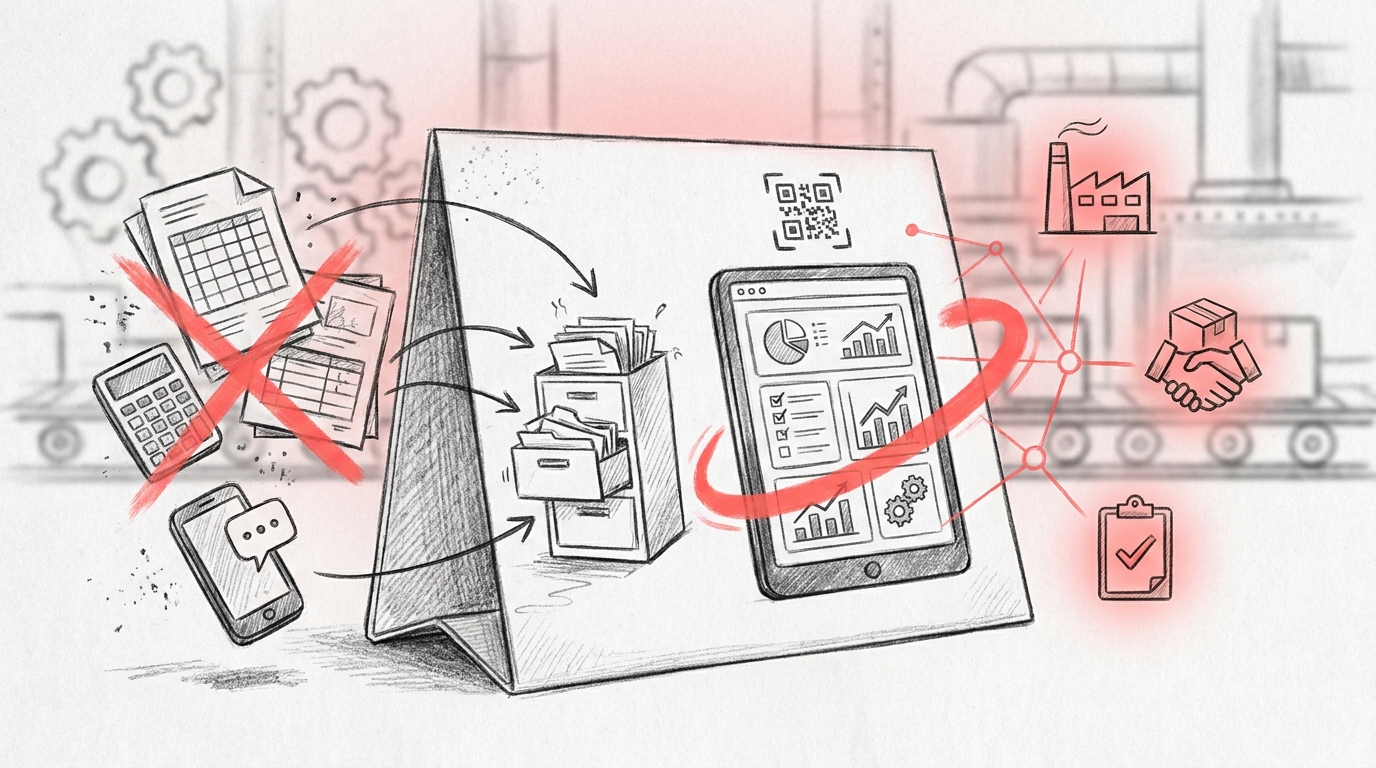
TL;DR: A table tent template is a pre-designed folding card format that displays information on both sides when placed on tables or counters. These templates typically come in standard sizes and help businesses create professional promotional materials, menus, or informational displays for restaurants, events, and retail environments without starting from scratch.
Frequently Asked Questions

What is a table tent template?
A table tent template is a pre-designed document format used to create folded, freestanding cards displayed on tables or counters. These templates typically include dimensions, fold lines, and customizable areas for text and graphics. They're commonly used in restaurants, hotels, offices, and events to showcase menus, promotions, announcements, or informational content in an eye-catching, upright format.
How do I create a table tent template in Word?
To create a table tent template in Word, set page orientation to landscape and adjust margins to 0.5 inches. Create a table with two columns for front and back panels. Add a center fold line using borders or shapes. Insert text boxes for content and images. Set dimensions typically to 4x6 inches or 5x6.5 inches per panel. Save as a template (.dotx) for reuse across multiple projects.
What are the standard dimensions for a table tent template?
Standard table tent template dimensions are typically 4x6 inches (creating an 8x6-inch flat layout) or 5x6.5 inches per panel. When folded, these create a triangular or A-frame display. The flat template should be twice the width of the finished product to accommodate both visible sides. Commercial printing often uses 8.5x11-inch paper folded to create 4.25x5.5-inch panels for cost-effective production.
Where can I download free table tent templates?
Free table tent templates are available on Canva, Microsoft Office Templates, Adobe Express, and Template.net. Many printing services like Vistaprint and Avery also offer downloadable templates. These platforms provide customizable designs in various formats including Word, PDF, and editable graphics files. Templates range from simple business designs to decorative options for events, with both printable and digital editing capabilities.
How are table tent templates used in quality management systems?
In quality management systems (QMS), table tent templates display key performance indicators (KPIs), safety protocols, standard operating procedures, and visual management tools. They're used in manufacturing plants for Lean and Six Sigma initiatives, showing metrics, corrective actions, and QRQC (Quick Response Quality Control) information. Table tents provide at-a-glance reference materials for teams, supporting continuous improvement and operational excellence across workstations.
What software is best for designing table tent templates?
The best software for designing table tent templates includes Canva for user-friendly drag-and-drop editing, Adobe InDesign for professional layouts, Microsoft Word for simple text-based designs, and Adobe Illustrator for custom graphics. Canva invoice template features and similar tools make it accessible for beginners. Professional designers prefer Adobe Creative Suite, while businesses often use Microsoft Office or online platforms for quick, template-based creation.
Can table tent templates be integrated with digital management platforms?
Yes, table tent templates can integrate with digital management platforms by displaying QR codes linking to real-time dashboards, incident management systems, or KPI tracking tools. Modern QRQC platforms replace static templates with dynamic displays showing live data from supplier claims, corrective actions, and performance metrics. This bridges physical workspace communication with digital systems, eliminating reliance on spreadsheets and messaging apps for operational updates.
What information should be included on a business table tent template?
Business table tent templates should include a clear headline, concise message (20-50 words), company logo, relevant images or icons, call-to-action, and contact information or QR codes. For operational settings, include KPIs, safety reminders, process steps, or quality metrics. Use readable fonts (minimum 14pt), high-contrast colors, and strategic white space. Ensure content is visible from 3-5 feet away for maximum effectiveness.
Understanding Table Tent Templates: A Comprehensive Guide for Professional Settings

A table tent template is a versatile marketing and communication tool that sits prominently on tables, counters, and desks to deliver targeted messages to audiences in various professional environments. Whether you're managing a restaurant, organizing a corporate event, or running a manufacturing facility, understanding how to effectively use table tent templates can significantly enhance your communication strategy and operational efficiency.
In today's fast-paced business environment, clear and immediate communication is essential. Table tent templates offer a cost-effective solution for displaying information that needs to be visible and accessible at a glance. From promotional offers to safety reminders in industrial settings, these simple yet powerful tools serve multiple purposes across diverse industries.
This comprehensive guide explores everything you need to know about table tent templates, including design principles, practical applications, and how they integrate with modern business management systems like QRQC — Industrial Quality Control Software.
What Is a Table Tent Template and Why It Matters

A table tent template is a pre-designed format for creating folded cards that stand upright on flat surfaces. These templates typically come in standard sizes and fold configurations, making them easy to design, print, and deploy across multiple locations.
The beauty of table tent templates lies in their simplicity and versatility. They can be customized for virtually any purpose, from displaying daily specials in restaurants to communicating quality metrics in manufacturing facilities.
Common Applications Across Industries
- Hospitality and Food Service: Menu promotions, seasonal offerings, and special event announcements
- Manufacturing: Safety reminders, quality standards, and performance metrics display
- Retail: Product information, promotional campaigns, and customer service details
- Corporate Events: Attendee information, schedule updates, and networking prompts
- Healthcare: Patient information, hygiene reminders, and service availability
The Connection to Quality Management Systems
In manufacturing and industrial settings, table tent templates can serve as visual management tools that complement comprehensive systems like a qms quality management system. When integrated with platforms focused on integrated program management, these physical communication tools become part of a broader strategy for maintaining operational excellence.
For organizations implementing lean and six sigma methodologies, table tents can display critical information about processes, standards, and continuous improvement initiatives right where employees need them most.
Essential Design Elements for Effective Table Tent Templates
Creating an effective table tent template requires careful consideration of several design elements. The goal is to capture attention immediately while delivering your message clearly and concisely.
Size and Fold Configuration
Standard table tent sizes include 4x6 inches, 5x7 inches, and 8.5x11 inches folded in half. The choice depends on your space constraints and the amount of information you need to display.
| Size | Folded Dimensions | Best Use Case |
|---|---|---|
| Small | 4x6 inches | Compact spaces, simple messages |
| Medium | 5x7 inches | Restaurant tables, retail counters |
| Large | 8.5x11 inches (letter size) | Conference tables, detailed information |
| Custom | Variable | Specialized applications, branding needs |
Visual Hierarchy and Typography
Your table tent template should establish a clear visual hierarchy that guides the viewer's eye through the information. Start with a compelling headline, followed by supporting details, and end with a call to action.
Typography choices matter significantly. Use bold, readable fonts for headlines and ensure body text is large enough to read from a typical viewing distance of 2-3 feet.
Color Psychology and Branding
Color selection impacts both visibility and emotional response. In industrial settings where quality and safety are paramount, colors should align with established standards while maintaining brand consistency.
- Red: Urgency, warnings, critical information
- Blue: Trust, professionalism, stability
- Green: Safety, go-ahead signals, environmental messages
- Yellow: Caution, attention-grabbing, highlights
- Orange: Energy, enthusiasm, promotional content
Creating Professional Table Tent Templates: Tools and Resources
Modern design tools have made creating professional table tent templates more accessible than ever. Whether you're a design novice or experienced professional, multiple options exist to suit your skill level and budget.
Digital Design Platforms
Similar to how professionals use a canva invoice template or to do list template for business documentation, table tent templates can be created using various online platforms. These tools offer pre-designed layouts that you can customize with your own content, colors, and branding elements.
Many platforms provide templates as accessible as bubble letter template printable or pumpkin carving templates print options, making it simple to download and use immediately.
Professional Design Software
For organizations requiring more sophisticated designs, professional software offers greater control over every aspect of the template. This is particularly important when creating materials that must align with strict brand guidelines or quality standards.
Template Resources for Different Industries
Just as businesses use a purchase order template in word for procurement processes, industry-specific table tent templates can streamline communication in specialized settings. Manufacturing facilities might use templates that display what are key performance indicators kpis, while restaurants focus on menu items and promotions.
For quality-focused organizations, integrating visual management tools with digital platforms like Lean Operations Tools: Digital QRQC Platform for Manufacturing creates a comprehensive approach to operational excellence.
Table Tent Templates in Manufacturing and Quality Control
In manufacturing environments, table tent templates serve a critical role beyond simple marketing. They become essential tools for visual management, safety communication, and quality awareness.
Displaying Key Performance Indicators
Manufacturing facilities implementing visual management strategies use table tents to display real-time information about production metrics and quality standards. This aligns with principles of transparency and continuous improvement central to lean and six sigma methodologies.
When employees can see what are key performance indicators kpis at their workstations, it reinforces accountability and drives performance. Table tents displaying daily quality metrics, safety records, or production targets keep these critical numbers visible and top-of-mind.
| KPI Category | Specific Metrics | Update Frequency |
|---|---|---|
| Quality | Defect rates, first-pass yield, customer complaints | Daily/Weekly |
| Safety | Days without incident, near-miss reports, compliance rate | Daily |
| Production | Output targets, efficiency rates, downtime minutes | Shift/Daily |
| Delivery | On-time delivery percentage, backlog status | Weekly |
Integration with Quality Management Systems
Modern qms quality management system platforms generate data that can be communicated through various channels, including physical displays like table tents. This multi-channel approach ensures critical information reaches all team members, regardless of their digital access during work hours.
Organizations using integrated program management approaches benefit from coordinating their digital and physical communication tools. A table tent displaying quality standards complements the detailed tracking and analysis happening in platforms like QRQC — Industrial Quality Control Software.
Safety and Compliance Communications
In high-risk manufacturing environments, table tents positioned at critical locations serve as constant reminders of safety protocols and compliance requirements. Unlike digital notifications that can be dismissed or overlooked, physical table tents maintain a persistent presence.
- Personal protective equipment (PPE) requirements for specific areas
- Emergency response procedures and contact information
- Chemical handling guidelines and hazard warnings
- Lock-out/tag-out procedures for equipment maintenance
- Quality checkpoints and inspection requirements
Best Practices for Implementing Table Tent Templates
Successful implementation of table tent templates requires more than good design. Organizations must consider placement, maintenance, and integration with broader communication strategies.
Strategic Placement Considerations
Location determines effectiveness. Table tents should be positioned where your target audience naturally focuses their attention during relevant moments.
In manufacturing settings, place quality-related table tents at inspection stations, production lines, and break areas. In restaurants, position promotional table tents where diners spend the most time waiting or deciding.
Content Freshness and Rotation
Like any communication tool, table tents lose effectiveness when content becomes stale. Establish a regular rotation schedule to keep information current and maintain visual interest.
Consider creating a content calendar similar to what you might use for a cover note template or other business documentation. This ensures timely updates and prevents message fatigue.
Measuring Effectiveness
Track the impact of your table tent campaigns through relevant metrics. In retail or food service, this might include sales data for promoted items. In manufacturing, measure changes in safety incidents, quality metrics, or employee awareness of displayed information.
| Setting | Primary Metrics | Measurement Method |
|---|---|---|
| Restaurant | Sales of promoted items, customer inquiries | POS data analysis, staff surveys |
| Manufacturing | Quality improvements, safety compliance | QMS data, incident reports |
| Retail | Product awareness, conversion rates | Sales data, customer surveys |
| Events | Attendee engagement, action completion | Response tracking, feedback forms |
Digital Integration and Modern Applications
While table tents are physical tools, they increasingly integrate with digital systems to create seamless communication ecosystems. This hybrid approach maximizes reach and effectiveness.
QR Codes and Digital Connections
Adding QR codes to table tent templates bridges the physical-digital divide. Viewers can scan codes to access detailed information, place orders, submit feedback, or access digital dashboards showing real-time data.
In quality management contexts, a QR code on a table tent might link to detailed procedures in your qms quality management system, training videos, or incident reporting forms within platforms like QRQC.
Coordinating with Digital Platforms
Organizations implementing comprehensive management systems benefit from coordinating their physical and digital communication channels. Table tents can highlight key messages from digital platforms, driving users to access more detailed information online.
For example, a manufacturing facility might use table tents to display daily quality metrics pulled from their digital dashboard, with a QR code linking to the full Blog | QRQC for deeper insights and analysis.
Dynamic Content and Variable Data Printing
Advanced printing technologies enable variable data printing, where each table tent in a batch can display different information. This is particularly valuable for organizations managing multiple locations or departments, each requiring customized messaging while maintaining consistent branding.
Cost-Effective Production and Sustainability
Balancing quality, cost, and environmental responsibility is essential when producing table tents at scale. Smart choices in materials and production methods deliver professional results while managing budgets and environmental impact.
Material Selection
Paper stock selection affects both appearance and durability. Heavier cardstock (80-110 lb) provides better stability and a more premium feel, while lighter stocks reduce costs and environmental impact for short-term campaigns.
- Standard cardstock: Cost-effective for short-term promotions and frequent changes
- Laminated materials: Durable for long-term use in high-traffic or challenging environments
- Recycled paper: Environmentally responsible option with minimal quality compromise
- Plastic substrates: Waterproof and extremely durable for food service or industrial settings
Print Production Options
Production method depends on quantity, quality requirements, and timeline. Small batches benefit from digital printing, while large runs achieve cost efficiencies through offset printing.
For organizations needing frequent updates—similar to regularly updating a to do list template or purchase order template in word—on-demand digital printing provides flexibility without inventory waste.
Sustainability Considerations
Environmental responsibility increasingly influences production decisions. Choose recycled materials, soy-based inks, and local printers to reduce carbon footprint. Design templates that can be updated with stickers or inserts rather than completely replaced, extending their useful life.
Industry-Specific Applications and Case Studies
Different industries leverage table tent templates in unique ways, adapting the basic format to serve specific communication needs and operational requirements.
Manufacturing and Industrial Settings
Manufacturing facilities use table tents as part of visual management systems that support lean and six sigma initiatives. These displays communicate quality standards, safety protocols, and performance metrics directly at the point of use.
A automotive parts manufacturer might place table tents at each inspection station detailing specific quality checkpoints, acceptable tolerances, and rejection criteria. This ensures consistency across shifts and reduces defects by keeping standards visible.
Food Service and Hospitality
Restaurants and hotels use table tents for menu promotions, seasonal offerings, and service information. The immediacy of the format—placed directly in front of customers during decision-making moments—makes it highly effective for driving specific behaviors.
A casual dining chain might use table tents to promote high-margin appetizers or limited-time offers, tracking sales impact through point-of-sale data to measure campaign effectiveness.
Healthcare and Clinical Environments
Medical facilities deploy table tents in waiting areas and patient rooms to communicate important health information, service availability, and patient rights. The format works well for information that needs to be accessible without requiring staff intervention.
Corporate and Event Settings
Corporate events, conferences, and training sessions use table tents for attendee information, schedule updates, and networking prompts. The format helps organize large groups and facilitates communication without constant announcements.
Advanced Techniques and Creative Applications
Beyond basic informational displays, creative professionals have developed innovative applications for table tent templates that extend their utility and impact.
Interactive Elements
Incorporating interactive elements transforms passive displays into engagement tools. Scratch-off areas, pull tabs, or rotating wheels add tactile interest and encourage interaction.
In manufacturing training contexts, interactive table tents might feature quiz questions about safety protocols, with answers revealed through pull tabs, reinforcing learning through active participation.
Multi-Panel Designs
While traditional table tents feature two visible panels, creative folding techniques create multi-panel displays that present more information or tell sequential stories. Tri-fold and accordion-style designs work well for step-by-step instructions or comparative information.
Seasonal and Campaign Rotations
Developing themed template series maintains visual interest while ensuring brand consistency. Similar to how designers might create seasonal variations of pumpkin carving templates print or holiday-themed materials, table tent templates can rotate with seasons, campaigns, or operational priorities.
A manufacturing facility might rotate table tent themes monthly, focusing on different aspects of quality, safety, or efficiency while maintaining consistent design elements that reinforce brand identity.
Common Mistakes to Avoid
Even with excellent templates, implementation mistakes can undermine effectiveness. Awareness of common pitfalls helps ensure your table tent campaigns achieve their objectives.
Information Overload
The most common mistake is cramming too much information onto a small surface. Table tents work best with focused, concise messages. If you need to communicate complex information, use the table tent to highlight key points and direct viewers to detailed resources through QR codes or web addresses.
Poor Visibility and Readability
Small fonts, low-contrast color combinations, and cluttered layouts defeat the purpose of table tents. Always test readability from typical viewing distances before committing to large print runs.
- Minimum font size: 14-16 points for body text, 24+ points for headlines
- High contrast between text and background (avoid light text on light backgrounds)
- Adequate white space to prevent visual clutter
- Clear visual hierarchy guiding the eye through information
Neglecting Maintenance
Damaged, outdated, or dirty table tents reflect poorly on your organization. Establish regular inspection and replacement schedules, particularly in high-traffic or challenging environments.
Inconsistent Branding
Table tents should align with broader brand guidelines and communication strategies. Inconsistent design elements confuse audiences and dilute brand identity. Develop template systems that maintain consistency while allowing flexibility for different messages.
Future Trends in Table Tent Templates
As technology and design practices evolve, table tent templates continue adapting to meet changing communication needs and expectations.
Augmented Reality Integration
Emerging technologies enable augmented reality experiences triggered by table tent designs. Viewers pointing smartphones at specially designed table tents can access 3D models, animated content, or interactive experiences that extend far beyond static printed information.
Smart Materials and Displays
Electronic paper displays and other smart materials are beginning to appear in premium table tent applications. These allow content updates without physical replacement, combining the visibility of traditional table tents with the flexibility of digital displays.
Personalization and Customization
Advanced data integration enables personalized table tent content based on location, time, audience demographics, or operational conditions. A restaurant might display different promotions based on time of day, while a manufacturing facility might adjust displayed KPIs based on current production priorities.
Sustainability Innovations
Growing environmental awareness drives innovation in sustainable materials and production methods. Biodegradable substrates, plant-based inks, and designs optimized for minimal waste represent the future of responsible table tent production.
Conclusion: Maximizing Impact with Table Tent Templates
Table tent templates remain powerful communication tools across diverse industries and applications. Their simplicity, versatility, and immediate visibility make them effective for everything from restaurant promotions to manufacturing quality communications.
Success with table tent templates requires thoughtful design, strategic placement, and integration with broader communication strategies. Whether you're displaying what are key performance indicators kpis in a manufacturing facility, promoting menu items in a restaurant, or communicating safety protocols in an industrial setting, the principles of clear messaging, visual hierarchy, and audience focus remain constant.
Modern organizations increasingly recognize that effective communication requires coordinating physical and digital channels. Table tents work best when they're part of comprehensive systems that include digital platforms, training programs, and continuous improvement processes.
For manufacturing and quality-focused organizations, physical communication tools like table tents complement sophisticated digital systems. When you need to replace spreadsheets and fragmented communication tools with integrated solutions for incident management, supplier claims, and KPI tracking, explore how QRQC's real-time platform can transform your quality management approach. Visit our website to discover how digital and physical communication tools work together to drive operational excellence across every plant.
Whether you're creating your first table tent template or refining an established program, focus on clarity, consistency, and continuous improvement. The most effective table tents deliver focused messages at exactly the right moment, supporting your broader organizational goals and communication strategies.
Article created using IntentRank