Free Ghost Template Printable for Quality Control Teams
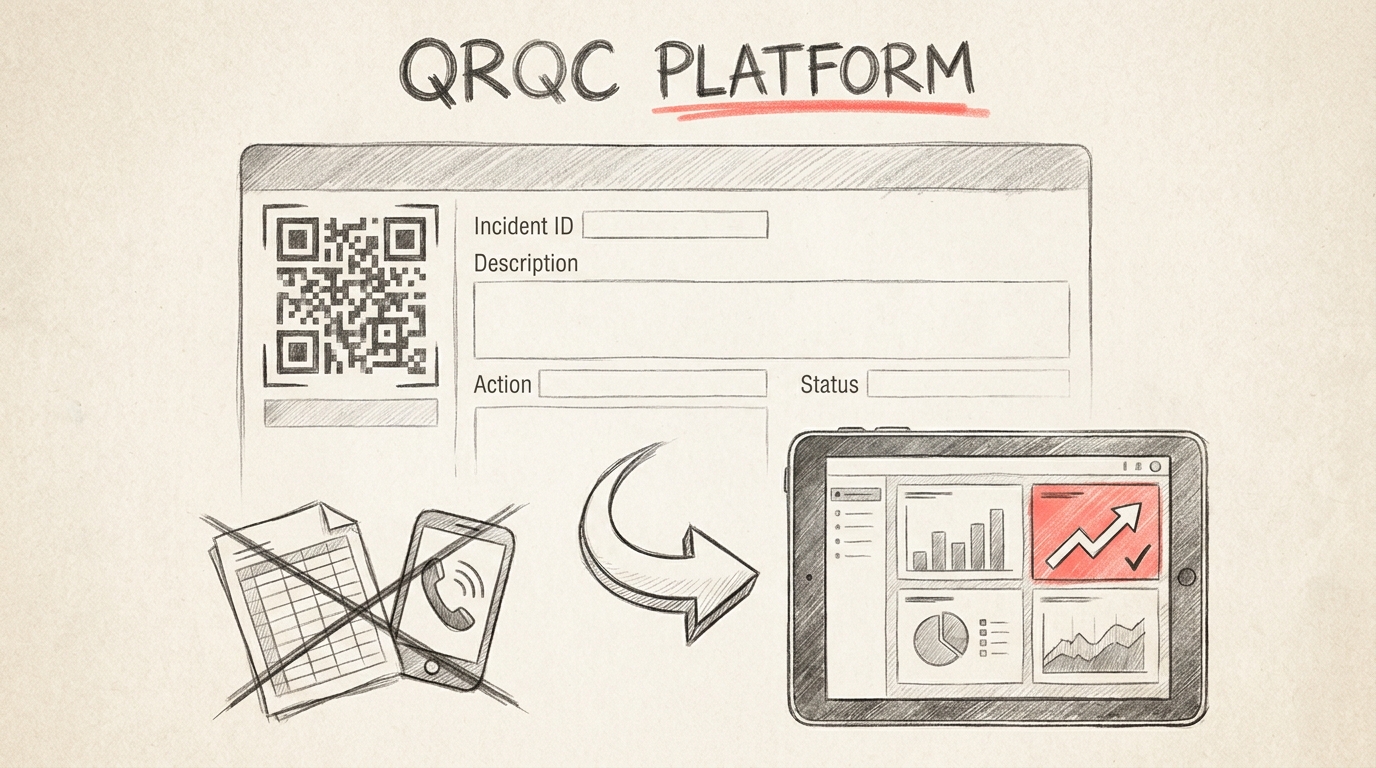
TL;DR: A ghost template printable is a downloadable outline or framework used to document and track quality issues, incidents, or problems in manufacturing and business processes. These printable templates help teams standardize problem-solving methods, capture root causes, and implement corrective actions without relying on scattered spreadsheets or messaging apps for incident management.
Frequently Asked Questions

What is a ghost template printable?
A ghost template printable is a downloadable outline or pattern featuring ghost shapes that can be printed and used for various purposes. These templates are commonly used for Halloween decorations, craft projects, pumpkin carving guides, classroom activities, and DIY home décor. They typically come in PDF format and include different ghost designs ranging from spooky to cute styles.
How can I use ghost template printables for Halloween decorations?
Ghost template printables can be used to create window decorations, wall art, garlands, and party banners. Simply print the template on cardstock or regular paper, cut out the ghost shapes, and display them around your home. You can also trace the templates onto fabric, felt, or foam sheets for more durable decorations, or use them as stencils for painting designs.
Where can I find free ghost template printables?
Free ghost template printables are available on craft websites, educational resource platforms, Pinterest, and design tools like Canva. Many websites offer downloadable PDF templates in various sizes and styles. You can also find ghost templates alongside other Halloween resources like pumpkin carving templates print files and bubble letter template printable collections for seasonal crafting projects.
What file formats are ghost template printables available in?
Ghost template printables are typically available in PDF, PNG, and JPG formats. PDF is the most common format as it maintains quality and is easy to print at various sizes. Some templates also come in SVG format for cutting machines like Cricut or Silhouette. The file format choice depends on your intended use, whether for simple printing or digital editing.
Can I customize a ghost template printable before printing?
Yes, many ghost template printables can be customized using design software or online tools like Canva. You can adjust the size, add colors, include text, or combine multiple templates. Editable templates allow you to modify facial expressions, add patterns, or incorporate the ghost design into other projects like to do list templates or cover note templates for themed stationery.
What paper type works best for printing ghost templates?
Cardstock paper (65-110 lb weight) works best for ghost template printables as it provides durability and stands up well for decorations and crafts. Regular printer paper (20-24 lb) is suitable for temporary decorations or tracing purposes. For outdoor use or laminated projects, consider waterproof or glossy photo paper. The paper choice depends on your project requirements and longevity needs.
How do ghost template printables differ from pumpkin carving templates?
Ghost template printables are typically used for paper crafts, decorations, and general Halloween projects, while pumpkin carving templates print specifically for transferring designs onto pumpkins. Ghost templates usually feature full outlines suitable for cutting and displaying, whereas pumpkin carving templates show detailed patterns with shaded areas indicating carving depth. Both serve different creative purposes during Halloween season.
What size should I print a ghost template for best results?
The ideal print size depends on your project purpose. Standard 8.5x11 inch paper works well for most crafts and decorations. For larger wall decorations, scale up to 11x17 inches or print multiple pages to create poster-sized ghosts. Small 4x6 inch prints work for gift tags or party favors. Most PDF templates maintain quality when scaled between 50-200% of original size.
Introduction to Ghost Template Printable Resources

Whether you're preparing for Halloween festivities, planning classroom activities, or creating seasonal decorations, a ghost template printable serves as an invaluable resource for crafters, educators, and DIY enthusiasts. These versatile templates provide ready-to-use outlines that eliminate the guesswork from creating spooky designs, saving time while ensuring professional-looking results.
Ghost templates have evolved from simple hand-drawn patterns into sophisticated digital resources that cater to various skill levels and project requirements. From simple silhouettes perfect for children's crafts to intricate designs suitable for advanced paper cutting and decoration projects, printable ghost templates offer endless creative possibilities.
This comprehensive guide explores everything you need to know about ghost template printables, including their applications, design variations, creation methods, and how they compare to other popular template resources. We'll also examine how organized template management relates to broader quality management practices used across industries.
Understanding Ghost Template Printable Formats and Types

Ghost templates come in numerous formats designed for different purposes and skill levels. Understanding these variations helps you select the right template for your specific project needs.
Basic Ghost Silhouettes
Simple ghost outlines represent the most common type of printable template. These designs feature smooth, flowing curves that create the classic ghost shape with minimal detail. They're ideal for:
- Young children's cutting and coloring activities
- Quick decoration projects requiring multiple copies
- Backdrop elements for larger Halloween displays
- Tracing guides for fabric and material transfers
Basic silhouettes typically come in various sizes, allowing users to scale projects according to their needs. Much like a definition meme template that provides structure for creative expression, these fundamental ghost shapes offer a foundation for personalization.
Detailed Ghost Character Templates
More complex templates feature facial expressions, flowing sheets, and character details that bring personality to ghost designs. These templates include:
- Friendly ghosts with smiling faces for children's parties
- Scary ghosts with menacing expressions for haunted house decorations
- Cartoon-style ghosts with exaggerated features
- Realistic ghost figures with shading guidelines
Specialty Ghost Templates
Specialty templates serve specific purposes beyond basic decoration. These include 3D ghost templates for paper crafts, ghost garland templates with connection points, and ghost masks with eye cutouts. Similar to how professionals use a canva invoice template for business documentation or a purchase order template in word for procurement processes, these specialized ghost templates streamline specific creative workflows.
Applications and Uses for Ghost Template Printables

Ghost templates serve diverse purposes across educational, recreational, and decorative contexts. Understanding these applications helps maximize the value of these versatile resources.
Educational Applications
Teachers and parents frequently use ghost templates as educational tools that combine creativity with learning objectives. These applications include:
| Educational Activity | Skills Developed | Age Group |
|---|---|---|
| Cutting practice | Fine motor skills, hand-eye coordination | 3-6 years |
| Coloring exercises | Color recognition, creativity, focus | 3-8 years |
| Story writing prompts | Creative writing, narrative development | 6-12 years |
| Geometry lessons | Shape recognition, symmetry concepts | 8-12 years |
Just as a to do list template helps organize tasks systematically, ghost templates provide structured frameworks for educational activities that maintain student engagement while developing essential skills.
Seasonal Decoration Projects
Halloween decorating represents the primary use case for ghost templates. Homeowners and party planners utilize these templates to create cohesive themed displays including window clings, wall decorations, lawn ornaments, and table centerpieces.
The efficiency gained from using templates mirrors the benefits organizations experience when implementing a qms quality management system – standardized processes that ensure consistent, high-quality outputs while reducing time and resource waste.
Craft and DIY Projects
Crafters incorporate ghost templates into numerous handmade projects. These range from fabric appliqués for clothing and quilts to stencils for painting on various surfaces. The templates also serve as patterns for felt ornaments, paper lanterns, and mixed-media art projects.
Creating Your Own Ghost Template Printable
While countless pre-made templates exist, creating custom ghost templates allows for personalization and perfect sizing for specific projects. The process requires minimal technical skills but yields professional results.
Digital Design Methods
Modern design software makes template creation accessible to beginners and experts alike. Popular options include:
- Vector graphics software: Programs like Adobe Illustrator or free alternatives like Inkscape create scalable templates that maintain quality at any size
- Online design platforms: Canva and similar tools offer user-friendly interfaces with pre-built shapes and drawing tools
- Basic image editors: Even simple programs like Microsoft Paint can produce functional templates for straightforward designs
- Mobile apps: Tablet applications with stylus support enable freehand template drawing with digital precision
The systematic approach to template creation parallels methodologies found in lean and six sigma practices, where standardization and process optimization drive efficiency improvements.
Hand-Drawn Template Conversion
Traditional artists can convert hand-drawn ghost designs into printable templates through scanning and digital processing. This workflow involves:
- Sketching the ghost design on white paper with dark ink or pencil
- Scanning the drawing at high resolution (300 DPI minimum)
- Using image editing software to increase contrast and clean up the lines
- Converting to a black-and-white or outlined format
- Saving in a printable format like PDF or high-resolution PNG
This process transforms unique artistic expressions into reproducible templates, much like how a cover note template standardizes communication while allowing for content customization.
Template Sizing and Scaling Considerations
Proper sizing ensures templates work effectively for their intended applications. Consider these factors when determining template dimensions:
- Standard paper sizes (8.5x11 inches for US letter, A4 for international)
- Printer capabilities and margin requirements
- Final project scale and viewing distance
- Multiple template arrangements on single sheets for efficiency
Comparing Ghost Templates to Other Seasonal Printables
Ghost templates exist within a broader ecosystem of seasonal printable resources. Understanding how they compare to similar templates provides context for their unique characteristics and optimal use cases.
Ghost Templates vs. Pumpkin Carving Templates
While both serve Halloween purposes, these template types differ significantly in application and design requirements. Pumpkin carving templates print must account for carving depth, structural integrity, and three-dimensional surface application, whereas ghost templates typically remain two-dimensional.
| Feature | Ghost Templates | Pumpkin Carving Templates |
|---|---|---|
| Primary Use | Paper crafts, decorations | Pumpkin carving guides |
| Design Complexity | Simple to moderate | Moderate to highly detailed |
| Transfer Method | Tracing or cutting | Pin-prick or tape transfer |
| Reusability | Highly reusable | Limited by physical wear |
| Skill Level Required | Beginner-friendly | Intermediate to advanced |
Both template types benefit from clear organization and version control, similar to how organizations track what are key performance indicators kpis to monitor performance across different metrics and timeframes.
Ghost Templates vs. Letter Templates
Comparing ghost templates to resources like bubble letter template printable designs reveals interesting parallels in functionality. Both serve as educational tools for developing fine motor skills, both offer creative customization opportunities, and both benefit from clear, bold outlines that simplify tracing and cutting.
The primary difference lies in their end purpose – letter templates focus on literacy and typography education, while ghost templates emphasize seasonal creativity and decoration. However, the underlying template principles remain consistent across both categories.
Best Practices for Using Ghost Template Printables
Maximizing the effectiveness of ghost templates requires attention to printing quality, material selection, and application techniques. These best practices ensure professional results regardless of project complexity.
Printing Optimization
Print quality significantly impacts template usability. Follow these guidelines for optimal results:
- Use cardstock or heavy paper (65-110 lb weight) for templates requiring durability
- Select standard printer paper for single-use tracing guides
- Adjust printer settings to "Best" or "High Quality" for crisp lines
- Test print on regular paper before using premium materials
- Ensure ink or toner levels are sufficient to prevent fading or streaking
This attention to quality control mirrors principles found in integrated program management, where coordinated processes and quality standards ensure consistent deliverables across multiple project components.
Material Compatibility
Different projects require different materials, and template effectiveness varies accordingly. Consider these material pairings:
| Project Type | Recommended Material | Template Application Method |
|---|---|---|
| Paper decorations | Cardstock, construction paper | Direct printing or tracing |
| Fabric crafts | Cotton, felt, fleece | Tracing with fabric markers |
| Wall murals | Poster board, foam board | Projection or grid transfer |
| Window clings | Clear vinyl, laminate sheets | Tracing with permanent marker |
Storage and Organization Systems
Maintaining an organized template library ensures easy access for future projects. Implement these organizational strategies:
- Create digital folders categorized by holiday, size, and complexity level
- Use descriptive file names that include dimensions and style descriptors
- Store physical templates in labeled sheet protectors within binders
- Maintain a master inventory list with thumbnail previews
- Back up digital templates to cloud storage for accessibility
This systematic approach to template management parallels how quality professionals use platforms like QRQC — Industrial Quality Control Software to organize and track quality documentation across manufacturing operations.
Advanced Ghost Template Techniques and Modifications
Once you've mastered basic template usage, advanced techniques allow for greater creativity and more sophisticated projects. These methods transform simple templates into impressive custom creations.
Layering and Multi-Dimensional Effects
Creating depth through layered ghost templates produces visually striking results. This technique involves printing the same template at different sizes, using varying shades or colors, and assembling them with spacing between layers to create shadow effects.
The layered approach works particularly well for window displays, where backlighting enhances the dimensional quality. This method requires careful planning and measurement, similar to how lean operations tools help manufacturers plan and execute complex production processes with precision.
Template Combination and Custom Scenes
Combining multiple template elements creates elaborate scenes and narratives. Mix ghost templates with other Halloween elements like haunted houses, bats, and trees to build comprehensive displays. Consider these combination strategies:
- Scale different templates proportionally to maintain realistic size relationships
- Create depth by placing larger elements in the foreground and smaller ones in the background
- Use overlapping to suggest interaction between template elements
- Add hand-drawn or additional printed details to bridge template elements
Digital Enhancement and Customization
Digital tools enable extensive template customization before printing. Add text, modify shapes, adjust proportions, or incorporate photographic elements to personalize templates. These modifications transform generic templates into unique creations tailored to specific themes or recipients.
Software like Photoshop, GIMP, or even PowerPoint provides sufficient tools for most customization needs. The ability to save modified versions creates a growing library of specialized templates for future use.
Free vs. Premium Ghost Template Resources
The market offers both free and paid ghost template options, each with distinct advantages and limitations. Understanding these differences helps determine which resources best suit your needs and budget.
Free Template Sources
Numerous websites provide free ghost templates suitable for personal and educational use. These resources typically offer basic designs with standard licensing that permits non-commercial reproduction. Free templates work well for occasional users, classroom activities, and simple decoration projects.
However, free templates often come with limitations including lower resolution, fewer design variations, watermarks, or restricted licensing terms. The selection may also be more limited compared to premium offerings.
Premium Template Collections
Paid template resources offer advantages including higher resolution files, exclusive designs, commercial use rights, and often additional formats or variations. Premium collections typically provide better organization, customer support, and regular updates with new designs.
| Consideration | Free Templates | Premium Templates |
|---|---|---|
| Cost | No charge | One-time or subscription fee |
| Design Quality | Variable, generally basic | Professional, polished designs |
| File Resolution | Often limited to web quality | High-resolution print-ready files |
| Commercial Use | Usually restricted | Typically permitted |
| Support | Minimal or none | Customer service available |
For businesses or frequent users, premium templates represent a worthwhile investment that saves time and ensures professional results. This cost-benefit analysis mirrors decisions organizations make when evaluating whether to invest in specialized tools or rely on basic free alternatives.
Template Management and Quality Control
For educators, event planners, and craft businesses that regularly use templates, implementing systematic management practices ensures efficiency and consistency. These principles draw from industrial quality management concepts adapted for creative applications.
Version Control and Documentation
Maintaining clear records of template versions, modifications, and usage prevents confusion and duplication of effort. Document which templates worked well for specific applications, note any printing or application issues, and track which designs received positive feedback.
This documentation approach parallels how manufacturing operations track quality metrics and process improvements. Organizations using comprehensive systems can monitor performance across multiple dimensions, similar to tracking what are key performance indicators kpis in business operations.
Quality Standards for Template Creation
Establishing quality standards ensures all templates in your library meet minimum requirements for usability and appearance. Consider these quality criteria:
- Minimum resolution of 300 DPI for print templates
- Clear, unbroken lines with consistent thickness
- Proper sizing that accounts for printer margins
- File formats that preserve quality (PDF, SVG, or high-resolution PNG)
- Accurate file naming and metadata for easy retrieval
These standards mirror the systematic approach found in a qms quality management system, where defined criteria ensure consistent output quality regardless of who creates or uses the templates.
Continuous Improvement Process
Regularly reviewing and updating your template collection maintains relevance and quality. Evaluate which templates see frequent use, identify gaps in your collection, and retire outdated or poor-performing designs. Seek feedback from users and incorporate suggestions into future template development.
This iterative improvement process reflects principles from lean and six sigma methodologies, where continuous refinement drives ever-better results. Organizations serious about quality management implement similar review cycles to maintain operational excellence.
Integration with Broader Template Ecosystems
Ghost templates represent just one component of a comprehensive template library that creative professionals and organizations maintain. Understanding how these templates fit within broader systems maximizes their utility and return on investment.
Seasonal Template Collections
Building a complete seasonal template library ensures readiness for various occasions throughout the year. Beyond ghost templates for Halloween, consider maintaining collections for other holidays and events. This comprehensive approach provides consistency in quality and style across different seasonal applications.
The organizational structure required for managing diverse template collections mirrors project management frameworks used in complex operations. Just as integrated program management coordinates multiple related projects toward common objectives, effective template management aligns various resources to support overarching creative or business goals.
Cross-Template Compatibility
Designing templates with compatible styles, scales, and formats enables mixing and matching across different collections. A ghost template designed with the same line weight and stylistic approach as your pumpkin carving templates print collection creates visual cohesion when used together in displays or projects.
This compatibility consideration extends to administrative templates as well. Organizations that maintain consistent formatting across resources like a canva invoice template, to do list template, and cover note template present a more professional, organized image to clients and stakeholders.
Digital Asset Management
As template collections grow, implementing proper digital asset management becomes essential. Cloud storage solutions, metadata tagging systems, and preview thumbnail generation all contribute to efficient template retrieval and usage. Consider implementing:
- Consistent naming conventions across all template types
- Tag systems that enable multiple search pathways (by holiday, color, complexity, size)
- Preview images that allow visual browsing without opening files
- Version history that preserves earlier iterations while highlighting current versions
- Access controls that protect premium or proprietary templates while sharing appropriate resources
These management practices ensure that valuable template resources remain accessible and useful over time, much like how quality management platforms help organizations maintain visibility into their processes and documentation.
Conclusion: Maximizing Value from Ghost Template Printables
Ghost template printables offer remarkable versatility for creative projects, educational applications, and seasonal decorations. By understanding the various template types, mastering application techniques, and implementing systematic management practices, users can maximize the value these resources provide.
Whether you're a teacher planning classroom activities, a parent organizing Halloween festivities, or a craft business owner developing product lines, ghost templates streamline workflows while ensuring consistent, professional results. The principles of quality management, systematic organization, and continuous improvement that apply to industrial operations translate effectively to template management and creative processes.
As you build and refine your template collection, remember that the true value lies not just in individual designs but in the systematic approach to creating, organizing, and utilizing these resources. From basic ghost silhouettes to complex multi-layered designs, each template represents a tool that saves time, reduces frustration, and enables creative expression.
The connections between effective template management and broader quality management principles demonstrate that organizational excellence applies across all domains – from manufacturing operations tracking key performance indicators to creative professionals managing design assets. Both benefit from standardization, documentation, and continuous improvement.
Just as organizations implement comprehensive quality management systems to ensure operational excellence, creative professionals and educators benefit from systematic approaches to template management. If you're looking for ways to streamline operations, improve consistency, and maintain quality standards across your organization, consider exploring how digital tools can transform your workflows. Visit our website to discover how QRQC's platform helps organizations replace fragmented spreadsheets and communication tools with integrated quality management solutions that drive real-time visibility and continuous improvement across all operations.
Article created using IntentRank