Leaf Template Print: Free Downloadable Quality Control Sheet
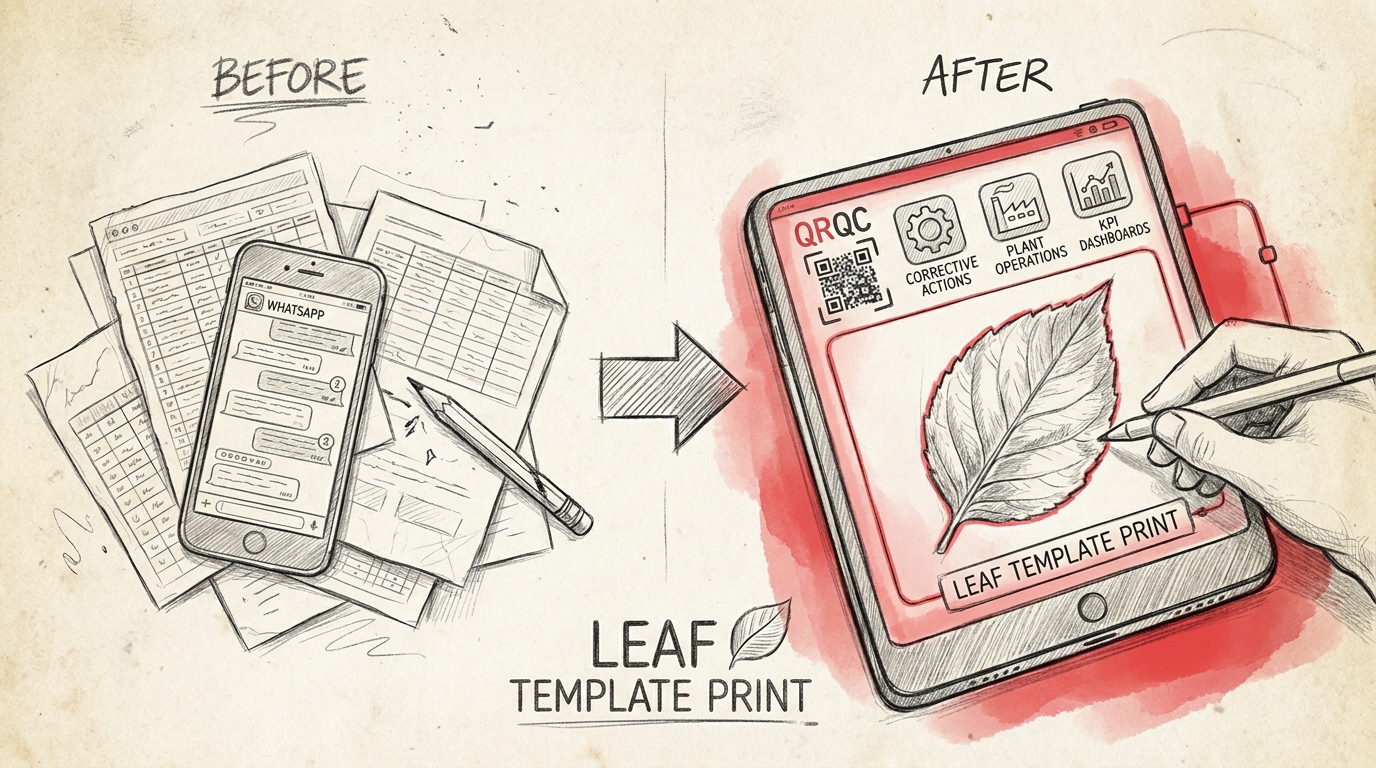
TL;DR: A leaf template print is a printable outline or pattern of a leaf shape used for crafts, educational activities, and design projects. These templates come in various sizes and leaf types, available as free downloadable PDFs or printable images that can be traced, colored, or cut out for creative applications like scrapbooking, classroom lessons, and seasonal decorations.
Frequently Asked Questions

What is a leaf template print and how is it used?
A leaf template print is a printable outline or pattern of a leaf shape that can be used for various craft projects, educational activities, and decorative purposes. These templates are commonly used for fall decorations, nature-themed crafts, scrapbooking, and teaching children about different leaf types. They can be downloaded, printed on paper, and traced or cut out for projects.
Where can I find free leaf template prints online?
Free leaf template prints are available on craft websites, educational resource platforms, Pinterest, and template repositories like Canva and Teachers Pay Teachers. Many websites offer downloadable PDF files with various leaf shapes including maple, oak, and autumn leaves. Simply search for 'free printable leaf templates' and download the designs that match your project needs.
How do leaf template prints compare to other printable templates like pumpkin carving templates?
Leaf template prints and pumpkin carving templates serve similar purposes as printable patterns for seasonal crafts. While pumpkin carving templates are specifically designed for Halloween jack-o'-lanterns, leaf templates are more versatile for year-round nature projects, educational activities, and fall decorations. Both types of templates can be downloaded, printed, and used as stencils or cutting guides.
What paper size works best for printing leaf templates?
Standard letter-size paper (8.5 x 11 inches) or A4 paper works best for printing leaf templates. This size accommodates most leaf shapes comfortably and is compatible with home and office printers. For larger projects, you can scale templates to print on legal-size paper or cardstock. Cardstock is recommended when creating reusable templates or sturdier craft projects.
Can I customize leaf template prints like I would a to-do list template or invoice template?
Yes, leaf template prints can be customized using design software like Canva, Adobe Illustrator, or Microsoft Word. You can adjust the size, add colors, include text labels, or combine multiple leaf shapes. Unlike structured documents like invoice templates or to-do list templates, leaf templates offer more creative flexibility for artistic and educational purposes.
What are the most popular leaf template print designs?
The most popular leaf template print designs include maple leaves, oak leaves, autumn leaf assortments, and simple generic leaf shapes. Maple leaves are especially popular for fall crafts and Canadian-themed projects. Simple outline templates work well for children's activities, while detailed realistic designs are preferred for advanced crafts, scrapbooking, and home décor projects.
How can educators use leaf template prints in classroom activities?
Educators use leaf template prints for science lessons about plant biology, seasonal changes, and tree identification. Students can trace templates to create leaf collections, label parts of leaves, or make autumn bulletin boards. Templates also support fine motor skill development through cutting and tracing activities. They're useful for creating worksheets, art projects, and interactive learning displays.
Are leaf template prints similar to bubble letter template printables in terms of usage?
Leaf template prints and bubble letter template printables are both outline-based printables used for crafts and educational purposes. While bubble letter templates focus on typography and text-based projects, leaf templates are nature-themed patterns. Both serve as tracing guides, coloring pages, and cutting patterns. They share similar printing and customization processes but serve different creative purposes.
Introduction to Leaf Template Print Resources

Whether you're an educator planning a nature-themed lesson, a crafter working on seasonal decorations, or a designer seeking organic shapes for your projects, leaf template print resources offer versatile solutions for countless creative applications. These printable templates provide accurate botanical shapes that can be used for educational purposes, artistic projects, or professional design work, eliminating the need to draw complex leaf structures from scratch.
The demand for printable templates has exploded across industries, from educational institutions using them for science lessons to manufacturing facilities incorporating visual management tools into their operations. Just as businesses are transitioning from spreadsheets to specialized software like QRQC — Industrial Quality Control Software for quality management, creative professionals are discovering the efficiency of using professionally designed templates rather than creating everything manually.
This comprehensive guide explores everything you need to know about leaf template prints, including their applications, design considerations, and how they fit into broader template ecosystems that include resources like bubble letter template printable options, to do list template solutions, and even business documents such as a purchase order template in word or canva invoice template.
Understanding Leaf Template Print Applications

Leaf templates serve multiple purposes across different sectors, making them one of the most versatile printable resources available. Their applications extend far beyond simple craft projects into professional and educational domains.
Educational Uses for Leaf Templates
In educational settings, leaf template prints provide hands-on learning opportunities for students studying botany, biology, and environmental science. Teachers use these templates to help students identify different leaf shapes, understand plant classification systems, and create visual learning aids.
- Botanical identification exercises: Students can match real leaves to printed templates to learn species recognition
- Art integration projects: Combining science with creative expression through leaf-based artwork
- Seasonal activity planning: Fall-themed educational projects using maple, oak, and birch leaf templates
- Visual learning aids: Creating classroom displays that illustrate leaf anatomy and functions
Professional Design and Manufacturing Applications
Beyond education, leaf templates find their way into professional environments where visual consistency matters. Manufacturing facilities implementing lean and six sigma methodologies often use visual management tools that include nature-inspired design elements for creating more engaging workspace environments.
Quality management systems benefit from clear visual communication, similar to how a qms quality management system requires standardized documentation. Just as professionals use a cover note template to maintain consistency in business communications, designers use leaf templates to ensure uniformity across projects.
Types of Leaf Template Print Designs
The variety of leaf templates available reflects the incredible diversity found in nature. Understanding the different types helps you select the right template for your specific needs.
| Template Type | Characteristics | Best Applications |
|---|---|---|
| Simple Outline Templates | Basic leaf shapes without internal details | Cutting projects, children's crafts, basic decorations |
| Detailed Vein Templates | Include internal vein structures and realistic details | Educational materials, realistic artwork, scientific illustrations |
| Seasonal Leaf Templates | Feature autumn colors or seasonal characteristics | Holiday decorations, seasonal marketing materials |
| Abstract Leaf Designs | Stylized interpretations of leaf shapes | Modern design projects, branding, digital graphics |
| Size-Varied Collections | Multiple sizes of the same leaf type | Creating depth in displays, scalable projects |
Specialty Template Variations
Some leaf templates cater to specific project requirements. These specialized versions offer additional functionality beyond basic shapes.
Layered templates provide multiple components that can be assembled to create three-dimensional effects. This approach mirrors the complexity found in other template categories, such as pumpkin carving templates print resources that offer various detail levels for different skill levels.
Creating and Customizing Your Leaf Template Print
While pre-made templates offer convenience, understanding how to create and customize your own leaf templates provides greater flexibility for specific project requirements. This process shares similarities with creating other business templates, whether you're designing a canva invoice template or developing a custom to do list template for project management.
Digital Design Tools for Leaf Templates
Modern design software makes creating professional-quality leaf templates accessible to users of all skill levels. The key is selecting the right tool for your needs and understanding basic design principles.
- Vector graphics software: Programs like Adobe Illustrator or Inkscape create scalable templates that maintain quality at any size
- Online design platforms: Canva and similar tools offer user-friendly interfaces with pre-built shapes and elements
- Photo editing software: Photoshop and GIMP can trace real leaf photographs to create accurate templates
- Specialized botanical software: Professional tools designed specifically for scientific illustration
Key Design Considerations
Creating effective leaf templates requires attention to specific design elements that ensure usability and visual appeal. These considerations parallel the attention to detail required when tracking what are key performance indicators kpis in business operations or implementing integrated program management systems.
Line weight matters significantly in printable templates. Too thin, and lines may not print clearly; too thick, and fine details become obscured. Most professional templates use line weights between 1-3 points for optimal printing results.
Printing Best Practices for Leaf Templates
The quality of your final printed leaf template depends heavily on proper printing techniques and material selection. Understanding these technical aspects ensures your templates serve their intended purpose effectively.
Paper Selection and Print Settings
Different projects demand different paper types and print configurations. Matching your materials to your intended use prevents wasted resources and ensures optimal results.
| Paper Type | Weight/Thickness | Best For |
|---|---|---|
| Standard Copy Paper | 20-24 lb | Practice sheets, temporary templates, classroom handouts |
| Cardstock | 65-110 lb | Reusable templates, tracing guides, stencils |
| Watercolor Paper | 90-140 lb | Painting projects, wet media applications |
| Transparency Film | Varies | Overhead projections, window decorations, layered effects |
Color vs. Black and White Templates
The choice between color and monochrome templates depends on your specific application and budget considerations. Black and white templates offer versatility for coloring projects and reduce printing costs, while color templates provide ready-to-use visual aids.
This decision-making process resembles choices made in business documentation, such as whether to use a simple text-based purchase order template in word or a more visually elaborate design with company branding elements.
Integrating Leaf Templates into Broader Template Ecosystems
Leaf templates rarely exist in isolation. Most users who need leaf prints also require other template types for comprehensive project management and creative workflows. Understanding how different template categories complement each other creates more efficient workflows.
Template Collections for Educational Environments
Schools and educational institutions benefit from maintaining organized template libraries that include diverse resources. A well-structured template collection might include leaf templates alongside bubble letter template printable options for bulletin boards, organizational tools like a to do list template for student projects, and even seasonal resources such as pumpkin carving templates print materials for autumn activities.
This holistic approach to template management mirrors the systematic thinking found in quality management. Just as organizations implementing a qms quality management system need standardized documentation across all processes, educational institutions benefit from consistent template formatting across all materials.
Business and Administrative Template Integration
Professional environments often require diverse template types that serve different functions. A complete business template ecosystem might include:
- Design templates (leaf prints, decorative elements) for marketing materials
- Financial documents like a canva invoice template for billing purposes
- Procurement forms such as a purchase order template in word
- Communication templates including a cover note template for professional correspondence
- Project management tools like a to do list template for task tracking
Organizations focused on operational excellence, particularly those implementing lean and six sigma principles, understand that standardized templates reduce variation and improve efficiency across all business processes.
Quality Control and Performance Metrics for Template Usage
Whether you're managing a classroom full of students using leaf templates or overseeing a design department producing marketing materials, tracking template effectiveness ensures optimal resource utilization. This approach aligns with modern quality management principles used in manufacturing and operations.
Measuring Template Effectiveness
Understanding what are key performance indicators kpis for template usage helps organizations optimize their template libraries and improve user satisfaction. Key metrics might include:
- Usage frequency: Which templates get downloaded or printed most often
- Print quality feedback: User reports on clarity and usability of printed templates
- Time savings: Reduction in project completion time when using templates versus creating from scratch
- Error reduction: Decreased mistakes when standardized templates replace manual creation
- Cost efficiency: Material and labor savings from optimized template designs
These metrics parallel the performance tracking used by organizations implementing integrated program management systems, where cross-functional coordination and standardization drive operational improvements.
Continuous Improvement for Template Libraries
The principles of lean and six sigma apply equally well to template management as they do to manufacturing processes. Regular review and refinement of template collections ensures they continue meeting user needs effectively.
Organizations can learn from quality management platforms like Lean Operations Tools that emphasize continuous improvement and data-driven decision making. Applying these same principles to template management creates more efficient creative and administrative workflows.
Digital vs. Physical Leaf Template Print Applications
The modern template landscape includes both traditional printed formats and digital applications. Understanding when to use each format optimizes project outcomes and resource allocation.
Traditional Printed Template Advantages
Physical printed templates offer tactile benefits that digital versions cannot replicate. They're ideal for hands-on crafting, classroom activities where screen time should be minimized, and situations where direct tracing or cutting is required.
Printed templates also provide accessibility in environments with limited technology access, similar to how traditional paper-based systems continue serving essential functions even as organizations transition to digital platforms like a qms quality management system.
Digital Template Benefits
Digital leaf templates offer flexibility, easy modification, and instant distribution. They can be scaled without quality loss, recolored instantly, and shared across teams without printing costs.
This digital advantage mirrors the benefits organizations experience when moving from spreadsheets to specialized software solutions. The efficiency gains from digital templates parallel those achieved when implementing modern management tools for tracking performance metrics and operational data.
Seasonal and Thematic Leaf Template Collections
Timing matters when selecting leaf templates for specific projects. Seasonal variations and thematic collections provide context-appropriate designs that enhance project relevance and visual appeal.
Autumn and Fall Leaf Templates
Fall represents peak season for leaf template usage, with maple, oak, and birch templates in high demand for seasonal decorations and educational activities. These templates often feature warm color palettes and can be paired with complementary seasonal resources like pumpkin carving templates print materials for comprehensive autumn project planning.
Spring and Summer Botanical Templates
Warmer seasons call for fresh green leaf templates representing new growth and vitality. These designs work well for environmental education programs, garden-themed events, and nature-inspired marketing campaigns.
| Season | Popular Leaf Types | Common Applications |
|---|---|---|
| Spring | New growth leaves, simple shapes | Growth themes, renewal projects, environmental education |
| Summer | Full, lush leaves in deep greens | Nature camps, outdoor education, garden projects |
| Autumn | Maple, oak, birch in warm colors | Seasonal decorations, harvest themes, fall festivals |
| Winter | Evergreen leaves, holly, pine | Holiday decorations, winter nature studies |
Advanced Techniques for Leaf Template Print Projects
Moving beyond basic printing and cutting, advanced techniques transform simple leaf templates into sophisticated design elements. These methods require more skill but produce professional-quality results.
Layering and Dimensional Effects
Creating depth through layered leaf templates adds visual interest to displays and artwork. This technique involves printing the same leaf shape in multiple sizes and colors, then arranging them with spacing to create shadow effects and dimensional interest.
The precision required for successful layering parallels the attention to detail needed when implementing integrated program management systems, where multiple components must align perfectly to achieve desired outcomes.
Mixed Media Applications
Leaf templates serve as excellent foundations for mixed media projects. Artists and educators combine printed templates with various materials and techniques:
- Watercolor overlays: Using templates as guides for fluid painting techniques
- Collage integration: Incorporating printed leaves into larger artistic compositions
- Texture additions: Applying real natural materials to template bases
- Digital enhancement: Scanning printed templates and adding digital effects
Accessibility and Inclusive Design for Leaf Templates
Creating leaf templates that serve diverse user needs ensures maximum utility and reach. Inclusive design principles make templates accessible to users with varying abilities and requirements.
Design Considerations for Accessibility
Accessible leaf templates incorporate features that accommodate different user needs without compromising visual appeal or functionality. High contrast between lines and background ensures visibility for users with visual impairments, while clear, simple shapes work better for users with fine motor challenges.
This inclusive approach mirrors best practices in business documentation, where templates ranging from a cover note template to a canva invoice template should be usable by all team members regardless of technical expertise or physical abilities.
Multi-Format Template Availability
Providing leaf templates in multiple file formats increases accessibility across different software platforms and user preferences. Common formats include:
- PDF: Universal compatibility for printing and viewing
- SVG: Scalable vector format for professional design applications
- PNG: Raster format with transparency support for digital projects
- DOCX: Editable format similar to a purchase order template in word for easy customization
Organizing and Managing Your Template Library
As template collections grow, effective organization becomes essential for maintaining productivity and ensuring resources remain accessible when needed. Strategic library management prevents wasted time searching for specific templates and reduces duplicate downloads or creation efforts.
Digital Organization Systems
Implementing a logical folder structure for digital templates mirrors the systematic approach used in quality management. Just as a qms quality management system requires organized documentation for ISO compliance and operational efficiency, template libraries need clear categorization schemes.
Consider organizing templates by:
- Template type (leaf templates, bubble letter template printable, business forms)
- Season or theme (autumn leaves, spring botanicals)
- Use case (education, professional design, personal crafts)
- File format (PDF, SVG, PNG)
- Complexity level (simple outlines, detailed illustrations)
Version Control and Updates
Maintaining current template versions prevents confusion and ensures users access the most refined designs. Version control practices borrowed from software development and project management help track template evolution and improvements over time.
This systematic approach to template management aligns with principles found in lean and six sigma methodologies, where standardization and continuous improvement drive operational excellence.
Commercial Applications and Licensing Considerations
Understanding usage rights and licensing terms becomes crucial when using leaf templates for commercial projects. Different templates come with varying permissions that affect how they can be legally used.
License Types and Restrictions
Template licenses typically fall into several categories, each with specific usage parameters. Personal use licenses restrict templates to non-commercial applications, while commercial licenses permit use in products or services sold for profit.
These licensing considerations extend across all template types, whether you're using leaf templates for product packaging, a canva invoice template for client billing, or a to do list template in a productivity app you're developing.
Attribution Requirements
Some free templates require attribution to the creator, even in commercial applications. Understanding and complying with these requirements protects users from legal issues and respects creator rights.
This attention to proper documentation and compliance parallels the careful record-keeping required in quality management systems and the detailed tracking necessary when monitoring what are key performance indicators kpis across business operations.
Future Trends in Template Design and Distribution
The template industry continues evolving with technological advances and changing user needs. Understanding emerging trends helps users and creators stay ahead of the curve and adopt new tools that improve efficiency and results.
AI-Generated and Customizable Templates
Artificial intelligence is beginning to impact template creation, offering automated generation of custom designs based on user specifications. These tools may soon allow users to describe desired leaf characteristics and receive instant, unique templates tailored to specific needs.
This technological evolution mirrors broader digital transformation trends, similar to how manufacturing operations are transitioning from manual tracking to sophisticated platforms. Organizations can explore these digital solutions through resources like the QRQC Blog, which covers modern approaches to operational management.
Interactive and Augmented Reality Templates
Emerging technologies enable templates that bridge physical and digital worlds. Augmented reality applications might allow users to point their devices at printed leaf templates and see interactive 3D models or educational information overlay the physical print.
These innovations represent the convergence of traditional printable resources with cutting-edge technology, creating hybrid solutions that offer benefits of both formats.
Conclusion: Maximizing Value from Leaf Template Print Resources
Leaf template prints represent far more than simple craft supplies. They're versatile tools that serve educational, professional, and creative needs across multiple industries and applications. From classroom science lessons to professional design projects, these templates provide efficient, cost-effective solutions for creating consistent, high-quality botanical imagery.
The key to maximizing value from leaf templates lies in understanding their diverse applications, selecting appropriate designs for specific needs, and implementing effective organization and management systems. Just as businesses benefit from transitioning to specialized software solutions that replace fragmented spreadsheet systems, template users gain efficiency by building comprehensive, well-organized libraries that serve multiple purposes.
Whether you're an educator developing engaging curriculum materials, a designer creating nature-inspired branding, or a crafter planning seasonal projects, leaf templates offer accessible starting points that save time while maintaining quality. The principles of standardization, continuous improvement, and systematic organization that drive success in template management mirror those found in quality management and operational excellence.
As you build and refine your template resources, consider how different template types complement each other. A comprehensive collection might include leaf templates alongside other essential resources like a bubble letter template printable for signage, a to do list template for project management, business documents such as a purchase order template in word or canva invoice template, and seasonal materials like pumpkin carving templates print options.
For organizations seeking to implement systematic approaches to quality management and operational excellence, the same principles that make template libraries effective—standardization, accessibility, continuous improvement, and data-driven refinement—apply across all business processes. Visit QRQC to discover how modern digital platforms can transform quality control and incident management across manufacturing operations, replacing fragmented spreadsheets and messaging apps with integrated, real-time solutions that drive measurable improvements in operational performance.
Article created using IntentRank