Letter S Printable Template: Free Downloads & Designs
TL;DR: A letter S printable template is a downloadable educational resource featuring the letter S in various styles and sizes for learning activities. These templates help children practice letter recognition, tracing, and writing skills through coloring pages, worksheets, and craft projects available in PDF format for home or classroom use.
Frequently Asked Questions

What is a letter S printable template and how is it used?
A letter S printable template is a pre-designed outline or pattern of the letter 'S' that can be downloaded and printed for various purposes. These templates are commonly used for educational activities, craft projects, decorations, bulletin boards, and learning exercises. They come in different styles including bubble letters, block letters, cursive, and decorative designs, making them versatile for both children's learning and creative projects.
Where can I find free letter S printable templates?
Free letter S printable templates are available on educational websites, craft blogs, template libraries, and design platforms like Canva. Many teachers' resource sites offer downloadable PDF formats in various sizes and styles. You can also find specialized templates for bubble letters, stencils, and coloring pages. Most platforms allow you to download and print these templates immediately without registration or fees.
What are the different styles of letter S templates available?
Letter S templates come in multiple styles including bubble letters (rounded, puffy designs), block letters (bold, squared edges), cursive or script styles, stencil formats, decorative patterns with embellishments, and outline versions for coloring. Each style serves different purposes: bubble letter templates are popular for crafts, block letters work well for signage, and outline versions are ideal for educational tracing activities and art projects.
How do I use a bubble letter template printable for crafts?
To use a bubble letter template printable, first download and print the template in your desired size. Cut out the letter shape to create a stencil, then trace it onto your craft material such as cardstock, felt, or foam. You can color, paint, or decorate the letter as needed. Bubble letters are perfect for banners, scrapbooking, classroom decorations, and personalized projects like name signs or party decorations.
What size should I print my letter S template for classroom use?
For classroom use, letter S templates should typically be printed at 8.5 x 11 inches (standard letter size) for individual student worksheets. For bulletin boards or wall displays, scale up to 11 x 17 inches or larger. Consider printing at full-page size for tracing activities, half-page for workbooks, or multiple small letters per page for alphabet learning. Adjust sizing based on visibility distance and intended purpose.
Can I customize a letter S printable template like other templates such as invoice or to-do list templates?
Yes, letter S printable templates can be customized using design software like Canva, Microsoft Word, or Adobe Illustrator. You can modify colors, add patterns, change fonts, adjust sizes, and incorporate decorative elements. Similar to how you customize invoice templates or to-do list templates for specific needs, letter templates can be personalized for branding, themed events, or educational requirements before printing.
What file formats are best for letter S printable templates?
The best file formats for letter S printable templates are PDF (maintains quality and formatting), PNG (transparent backgrounds for layering), JPEG (universal compatibility), and SVG (scalable vector for resizing without quality loss). PDF is ideal for direct printing, PNG works well for digital crafts, and SVG is perfect when you need to resize templates significantly. Choose the format based on your intended use and software compatibility.
How can letter templates help with early childhood education?
Letter templates support early childhood education by providing hands-on learning tools for letter recognition, tracing practice, and fine motor skill development. Children can trace letter S templates to learn proper letter formation, color them to reinforce visual memory, and use them in sensory activities. These templates make learning interactive and engaging, helping preschool and kindergarten students master alphabet basics through multi-sensory approaches and creative play.
Introduction to Letter S Printable Templates

Whether you're a teacher preparing classroom materials, a parent supporting early literacy, or a creative professional working on design projects, a letter s printable template serves as an invaluable resource. These versatile templates offer ready-made formats for educational activities, craft projects, and visual communication across various industries and applications.
Printable letter templates have evolved from simple educational tools to sophisticated resources used in manufacturing documentation, quality management systems, and operational excellence programs. Just as organizations use structured templates like a cover note template or purchase order template in word to standardize business processes, letter templates provide consistency and efficiency in both educational and professional environments.
This comprehensive guide explores everything you need to know about letter S printable templates, from their educational applications to their unexpected role in industrial quality control and documentation systems. We'll examine various template types, creation methods, and practical applications that extend far beyond the classroom.
Understanding Letter S Printable Template Varieties

Letter S templates come in numerous formats, each designed for specific purposes and user needs. Understanding these variations helps you select the right template for your project or educational objective.
Educational Letter Templates
Educational templates focus on learning objectives and skill development. These include tracing templates for handwriting practice, coloring pages for letter recognition, and bubble letter template printable formats that help children understand letter shapes and proportions.
- Uppercase and lowercase variations for comprehensive learning
- Dotted line templates for tracing and motor skill development
- Bold outline formats similar to pumpkin carving templates print for cutting and crafting activities
- Decorative versions with thematic elements for engagement
Professional and Business Templates
In professional settings, letter templates serve documentation and standardization purposes. Manufacturing facilities implementing lean and six sigma methodologies often use standardized letter templates for labeling, signage, and visual management systems.
These templates integrate with broader quality management frameworks, similar to how a qms quality management system requires consistent documentation formats. Organizations tracking what are key performance indicators kpis frequently use letter templates for dashboard labels, metric identifiers, and visual factory elements.
Creative and Decorative Templates
Creative professionals use letter S templates for graphic design, scrapbooking, and artistic projects. These templates range from simple outlines to elaborate decorative designs that can be customized for specific themes or brand identities.
| Template Type | Primary Use | Skill Level | Customization Options |
|---|---|---|---|
| Tracing Templates | Handwriting practice | Beginner | Low |
| Bubble Letters | Coloring and crafts | All levels | High |
| Block Letters | Signage and labels | Intermediate | Medium |
| Cursive Templates | Advanced writing | Advanced | Low |
| Decorative Fonts | Design projects | All levels | Very High |
Creating Your Own Letter S Printable Template
Creating custom letter S templates allows you to tailor designs to specific needs, whether for educational curricula, branding requirements, or operational documentation. Modern digital tools have made template creation accessible to users at all skill levels.
Digital Design Tools and Platforms
Several platforms offer intuitive interfaces for template creation. Canva invoice template functionality demonstrates how user-friendly design platforms can produce professional documents without extensive graphic design knowledge. These same principles apply to letter template creation.
Popular design tools include:
- Canva: Offers pre-made letter templates with drag-and-drop customization
- Adobe Illustrator: Professional-grade vector graphics for scalable templates
- Microsoft Word: Basic template creation using text boxes and formatting
- Google Docs: Collaborative template development with cloud storage
- Specialized educational software: Purpose-built tools for classroom materials
Template Design Best Practices
Effective template design balances aesthetics with functionality. Consider these principles when creating your letter S printable template:
- Ensure adequate white space around the letter for clarity and printing margins
- Use high-contrast colors for visibility, especially in educational settings
- Select appropriate line weights that are thick enough to trace but not overwhelming
- Include guide markers or reference points for alignment and sizing
- Test print templates before mass production to verify scaling and clarity
Integration with Organizational Systems
In manufacturing and quality management contexts, letter templates integrate with broader documentation systems. Organizations implementing integrated program management approaches require consistent visual standards across all materials, from floor signage to digital dashboards.
Just as teams use a standardized to do list template to maintain consistency in task management, letter templates ensure visual uniformity across operational environments. This consistency supports the visual management principles central to lean manufacturing and continuous improvement methodologies.
Educational Applications of Letter S Templates
Letter S printable templates serve critical functions in early childhood education and literacy development. These tools support multiple learning modalities and developmental stages.
Literacy Development and Phonics
Letter recognition forms the foundation of reading skills. Letter S templates help children associate the visual symbol with the corresponding sound, supporting phonemic awareness development.
Educators use these templates for:
- Letter-sound correspondence activities
- Beginning sound identification exercises
- Word family exploration (words starting with S)
- Alphabetical order and sequencing practice
Fine Motor Skill Development
Tracing and coloring letter templates develop essential fine motor skills required for handwriting. The repetitive motion of following letter outlines strengthens hand-eye coordination and pencil control.
Progressive difficulty levels allow teachers to scaffold learning:
| Stage | Template Type | Skills Developed | Age Range |
|---|---|---|---|
| 1 | Large dotted outline | Basic tracing, grip strength | 3-4 years |
| 2 | Medium solid outline | Independent tracing, control | 4-5 years |
| 3 | Small guided lines | Precision, sizing consistency | 5-6 years |
| 4 | Unguided practice | Independent formation | 6+ years |
Multi-Sensory Learning Approaches
Letter templates support kinesthetic and tactile learning styles. Students can trace letters with fingers, fill them with various textures, or cut them out for hands-on manipulation.
These multi-sensory approaches reinforce letter recognition through multiple neural pathways, improving retention and recall. The tactile engagement mirrors how professionals in manufacturing environments use visual management tools to reinforce process understanding and compliance.
Professional and Industrial Applications
Beyond educational contexts, letter S printable templates serve important functions in professional environments, particularly in manufacturing, quality control, and operations management.
Visual Management in Manufacturing
Manufacturing facilities implementing lean principles rely heavily on visual management systems. Letter templates create consistent signage for:
- 5S workplace organization labels (Sort, Set in order, Shine, Standardize, Sustain)
- Safety zone markings and equipment identification
- Quality station designations and process flow indicators
- Inventory location markers and material handling instructions
Organizations using platforms like QRQC — Industrial Quality Control Software understand that visual clarity supports rapid problem identification and resolution. Standardized letter templates ensure that visual cues remain consistent across multiple facilities and shifts.
Quality Management Documentation
Quality management systems require extensive documentation with clear, consistent formatting. Letter templates contribute to this standardization in several ways:
When tracking what are key performance indicators kpis, organizations need clear visual identifiers for different metrics. Letter templates help create dashboard elements, metric labels, and performance tracking displays that communicate information quickly and effectively.
The principles underlying lean and six sigma methodologies emphasize waste elimination and process standardization. Using pre-made letter templates eliminates the waste of recreating basic design elements repeatedly, allowing quality professionals to focus on analysis and improvement rather than formatting.
Cross-Functional Process Integration
Modern manufacturing operations require integrated program management approaches that connect quality, production, maintenance, and supply chain functions. Standardized visual elements, including letter templates, facilitate this integration by creating a common visual language.
Similar to how teams benefit from standardized formats like a purchase order template in word or cover note template, letter templates provide consistency in visual communication across departments and functions.
Organizations managing supplier quality issues can use letter templates for supplier grading systems, defect categorization, and corrective action tracking. This visual consistency supports the rapid communication required in lean operations environments.
Digital vs. Physical Template Usage
The choice between digital and physical letter templates depends on application context, user needs, and integration with existing systems.
Physical Print Templates
Traditional printed templates offer tangible benefits in certain contexts:
- No technology barriers for young learners or technologically limited environments
- Tactile engagement supports kinesthetic learning styles
- Easy distribution without requiring devices or internet connectivity
- Permanent documentation for compliance and record-keeping
Manufacturing environments often prefer physical templates for shop floor signage where digital displays may be impractical or vulnerable to harsh conditions. The durability and visibility of printed materials make them ideal for operational environments.
Digital Template Advantages
Digital templates offer flexibility and integration capabilities that physical versions cannot match:
- Instant customization and modification without reprinting costs
- Integration with digital platforms and quality management systems
- Real-time updates across multiple locations simultaneously
- Analytics and tracking capabilities for usage and effectiveness
- Reduced material costs and environmental impact
Organizations implementing digital quality control systems, such as those offered by QRQC platforms, benefit from digital template integration. This allows letter templates used in visual management to connect directly with incident tracking, corrective actions, and performance dashboards.
Hybrid Approaches
Many organizations adopt hybrid strategies that combine physical and digital templates. For example, a manufacturing facility might use printed letter templates for permanent floor markings while maintaining digital versions for documentation, training materials, and electronic displays.
This approach mirrors how modern operations use both traditional tools like a to do list template and sophisticated digital platforms to manage complex workflows. The key is selecting the right medium for each specific application.
Customization and Personalization Strategies
Generic templates provide starting points, but customization unlocks their full potential for specific applications and audiences.
Educational Customization
Teachers customize letter S templates to align with curriculum themes, student interests, and learning objectives. Seasonal variations, character tie-ins, and subject-specific modifications increase engagement and relevance.
Customization strategies include:
- Adding thematic decorations (animals starting with S, seasonal elements)
- Incorporating student names or personalized elements
- Adjusting size and complexity for individual learning needs
- Creating multi-letter combinations for word building activities
Brand and Identity Integration
Organizations customize letter templates to reflect brand guidelines, corporate colors, and visual identity standards. This ensures that even basic elements like letter templates reinforce brand recognition and professional appearance.
Professional customization considerations include:
- Color schemes matching corporate branding guidelines
- Font selections that align with brand typography
- Size specifications for consistent visual hierarchy
- Integration with existing design systems and style guides
Operational Customization
Manufacturing and operations teams customize letter templates for specific facility needs, process requirements, and safety standards. This customization supports the visual management principles essential to operational excellence.
Just as organizations customize their qms quality management system to match specific regulatory requirements and operational contexts, letter templates adapt to facility-specific needs while maintaining core standardization benefits.
Accessibility and Inclusive Design
Effective letter templates consider diverse user needs and abilities, ensuring accessibility for all learners and users.
Visual Accessibility Features
Accessible template design includes considerations for users with visual impairments or processing differences:
- High-contrast color combinations for improved visibility
- Adjustable sizing to accommodate different visual needs
- Clear, simple designs without excessive visual clutter
- Tactile versions with raised outlines for visually impaired users
Learning Differences Support
Templates designed with learning differences in mind support students with dyslexia, dysgraphia, and other learning challenges. Features like directional arrows, numbered stroke sequences, and color-coded sections provide additional scaffolding.
This inclusive approach parallels how modern quality management systems accommodate diverse user needs across different roles, experience levels, and technical backgrounds. The goal is universal usability without compromising functionality.
Multi-Language Considerations
For organizations operating in multi-cultural environments, letter templates may need to accommodate different writing systems and language requirements. Manufacturing facilities with diverse workforces benefit from visual management systems that transcend language barriers.
Platforms like QRQC recognize this need by offering multilingual interfaces and documentation support, ensuring that quality management processes remain accessible regardless of language background.
Best Practices for Template Implementation
Successful template implementation requires more than simply distributing files. Strategic planning and systematic rollout ensure maximum value and adoption.
Educational Implementation
Teachers implementing letter templates in classrooms should:
- Introduce templates progressively, starting with larger, simpler versions
- Model proper usage and technique before independent practice
- Provide varied activities using the same template to reinforce learning
- Collect and assess completed templates to track progress and identify needs
- Maintain organized storage systems for easy access and reuse
Organizational Rollout Strategies
Organizations implementing standardized letter templates across operations should follow structured change management approaches:
| Phase | Activities | Duration | Success Metrics |
|---|---|---|---|
| Planning | Needs assessment, design standards, pilot selection | 2-4 weeks | Completed design guide |
| Pilot | Limited deployment, feedback collection, refinement | 4-6 weeks | User satisfaction scores |
| Training | User education, documentation, support resources | 2-3 weeks | Training completion rates |
| Deployment | Full rollout, ongoing support, issue resolution | 4-8 weeks | Adoption rates |
| Optimization | Continuous improvement, updates, standardization | Ongoing | Usage consistency |
Quality Control and Consistency
Maintaining template quality and consistency requires ongoing governance. Designate template owners responsible for version control, updates, and distribution. This mirrors how organizations manage other standardized documents like canva invoice template formats or pumpkin carving templates print collections.
Regular audits ensure templates remain current, accessible, and aligned with evolving needs. This systematic approach to template management reflects the broader quality management principles that drive operational excellence.
Measuring Template Effectiveness
Understanding template impact requires establishing metrics and assessment methods appropriate to the application context.
Educational Assessment
In educational settings, template effectiveness connects to learning outcomes:
- Letter recognition accuracy before and after template usage
- Handwriting quality improvements measured against rubrics
- Student engagement levels during template-based activities
- Time-to-proficiency for letter formation skills
Operational Metrics
Manufacturing and operations environments assess template effectiveness through operational metrics similar to how they track what are key performance indicators kpis:
- Time savings in signage creation and updates
- Error reduction in visual management systems
- Consistency scores across multiple facilities or departments
- User adoption rates and satisfaction surveys
- Cost savings from standardization and reduced rework
Organizations using comprehensive quality platforms can integrate template usage data with broader performance metrics, creating holistic views of operational effectiveness. This integration supports the data-driven decision-making central to continuous improvement methodologies.
Future Trends in Printable Templates
Template design and usage continue evolving with technological advancement and changing user expectations.
Interactive and Augmented Reality Templates
Emerging technologies enable templates that bridge physical and digital experiences. Augmented reality features allow printed letter templates to trigger digital content when viewed through mobile devices, creating interactive learning experiences.
These innovations parallel broader digital transformation trends in manufacturing and quality management, where traditional paper-based processes increasingly integrate with digital platforms for enhanced functionality and real-time data capture.
AI-Powered Customization
Artificial intelligence enables dynamic template customization based on user needs, learning patterns, and performance data. AI systems can automatically adjust template difficulty, suggest optimal practice sequences, and generate personalized variations.
This personalization trend extends to industrial applications, where AI-driven systems optimize visual management layouts, suggest improvements to signage effectiveness, and adapt communication strategies based on user interaction patterns.
Sustainability and Eco-Friendly Options
Growing environmental awareness drives demand for sustainable template solutions. Digital-first approaches reduce paper consumption, while reusable physical templates made from durable, recyclable materials offer eco-friendly alternatives to single-use printables.
Organizations committed to environmental responsibility increasingly evaluate template strategies through sustainability lenses, balancing functionality with environmental impact.
Conclusion: Maximizing Letter Template Value
Letter S printable templates represent far more than simple educational tools. From supporting early literacy development to enabling visual management in sophisticated manufacturing operations, these versatile resources deliver value across diverse contexts and applications.
Successful template implementation requires understanding user needs, selecting appropriate formats, and maintaining consistency through systematic management. Whether you're an educator supporting student learning or an operations manager implementing visual management systems, thoughtful template selection and deployment enhance effectiveness and efficiency.
The principles underlying effective template usage—standardization, accessibility, continuous improvement, and user-centered design—align with broader quality management and operational excellence philosophies. Organizations that recognize these connections leverage templates strategically as components of comprehensive improvement initiatives.
As you implement letter templates in your context, remember that the goal extends beyond simply having templates available. True value emerges from systematic integration, consistent usage, and ongoing refinement based on user feedback and performance data.
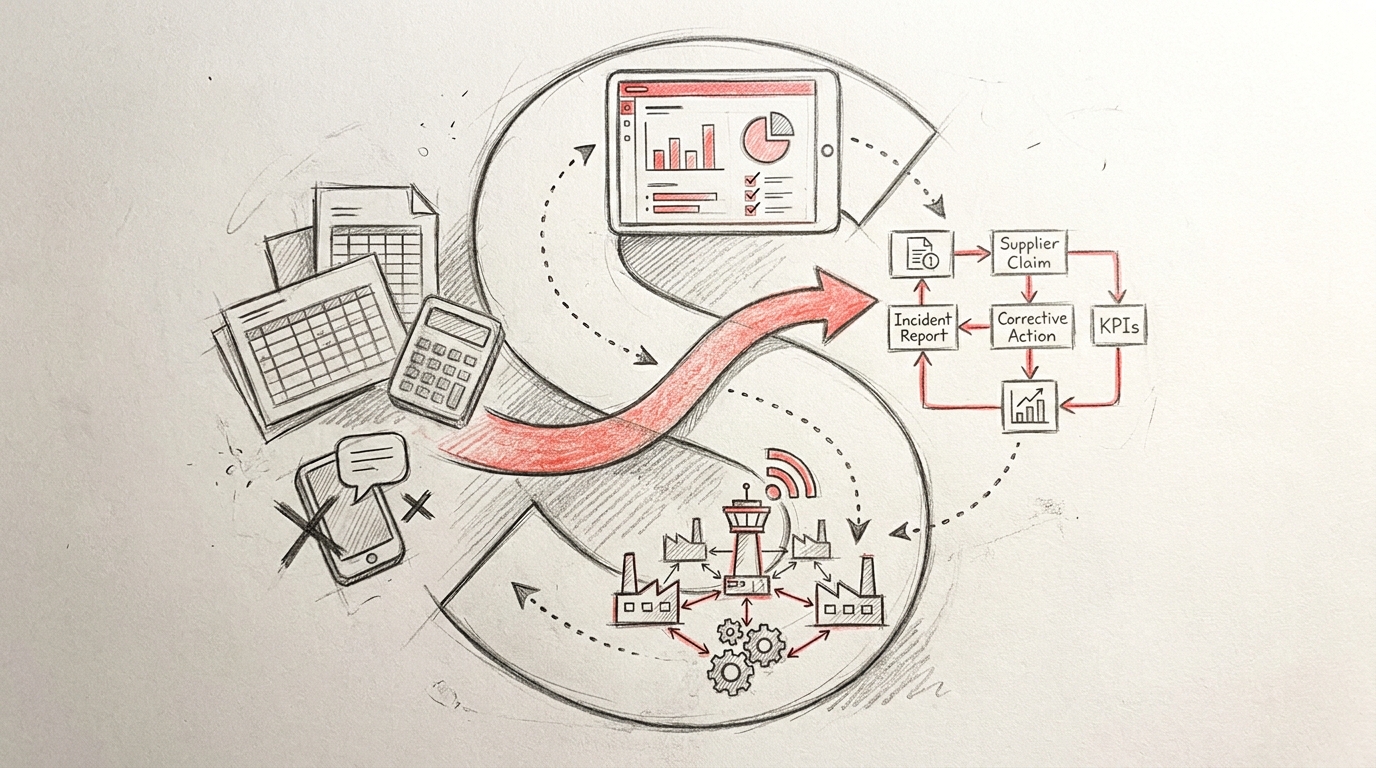
For manufacturing organizations seeking to enhance visual management, standardize documentation, and improve quality control processes, comprehensive platforms offer integrated solutions that extend far beyond individual templates. Visit our website to discover how digital quality management systems can transform your operations by replacing spreadsheets and disconnected tools with real-time incident management, supplier claims tracking, corrective actions, and KPI dashboards across every plant. Explore how our blog provides additional insights into operational excellence and quality management best practices that complement your visual management initiatives.
Article created using IntentRank